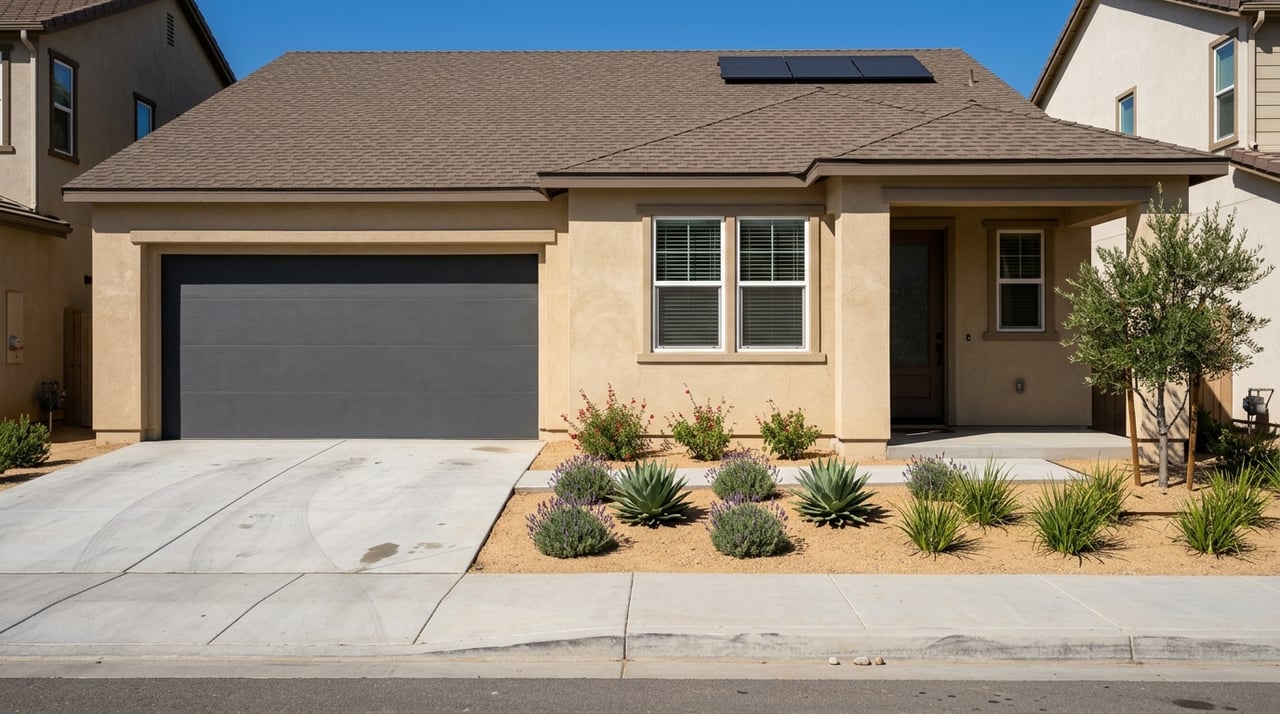
Beaumont’s Newer Communities Lifestyle: What to Know
June 25, 2026
June 25, 2026
If you are looking at Beaumont’s newer neighborhoods, you are probably asking a practical question: what does daily life actually feel like once you move in? That is especially important in a fast-growing city, where new homes, parks, shopping, and services do not always arrive at the same pace. In Beaumont, the answer is a lifestyle shaped by master-planned communities, newer construction, and amenities that make day-to-day living feel organized and convenient. Let’s dive in.
One of the first things you notice about Beaumont’s newer communities is how intentionally they are laid out. The city has 17 current Specific Plans that guide master-planned residential, commercial, and industrial growth, so many newer neighborhoods were designed as large planned districts rather than one-off subdivisions.
In real life, that often means internal streets, landscaped entries, HOA-managed common areas, neighborhood parks, and space set aside for schools, recreation, or future retail. Beaumont also describes itself as offering a small-town environment with suburban amenities, and that matches how these areas tend to function on the ground.
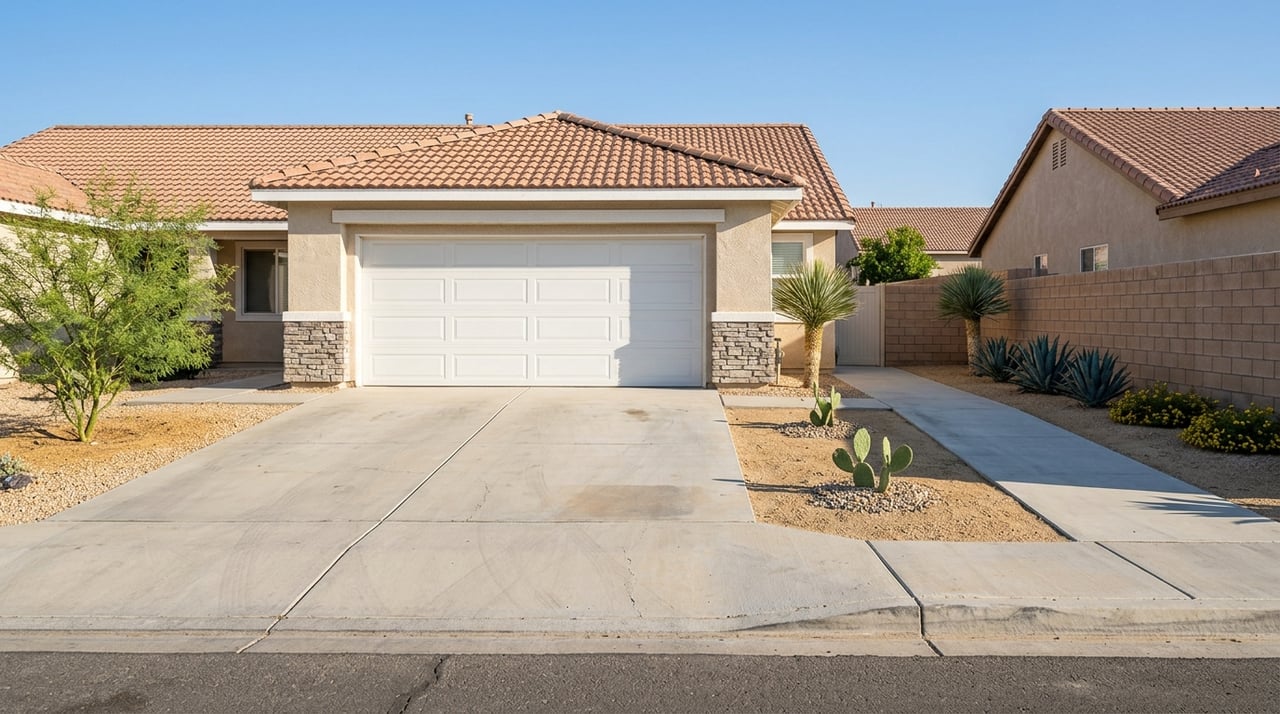
In Beaumont’s newer communities, you will mostly find single-family homes in neighborhoods built to support everyday suburban living. Floor plans vary by community, but the overall pattern leans toward newer layouts, attached garages, and homes designed for flexible living.
Some communities offer compact single-story options, while others include larger one- and two-story homes with more bedrooms. That range gives buyers a few different paths, whether you want a manageable footprint, room to spread out, or an age-qualified community with one-story living.
Sundance is one of Beaumont’s biggest newer master-planned areas. The city’s plan covers about 1,203 acres and includes roughly 4,450 dwelling units, along with about 166 acres of parks and open space, neighborhood commercial space, and institutional land.
That scale shapes the day-to-day feel. Sundance is built more like a full suburban district than a single neighborhood, with homes, parks, trails, and community gathering points all part of the broader plan.
The Fairways is another major newer community with a strong amenity focus. Its official community materials describe four neighborhoods, multiple homebuilders, and a resident-only 10,000-square-foot Canyon Club with pools, a splash pad, fitness center, lounge, and meeting and dining rooms.
Home plans shown there range from about 1,342 to 3,040 square feet, with one- and two-story layouts and up to six bedrooms depending on the builder and collection. If you want newer construction with built-in recreation, this is one of the clearer examples in Beaumont.
Olivewood has a slightly different feel. It is a gated master-planned community that reads as more compact and self-contained, with newer homes and HOA-managed amenities such as a clubhouse, pool, basketball court, park, and trails.
Available plans include single-story homes with two to four bedrooms, two baths, and two-car garages. For many buyers, that creates an appealing middle ground between newer construction and a neighborhood where recreation is already part of the setup.
If you are looking for a 55+ community, Beaumont has options that stand apart from its family-oriented neighborhoods. Altis Beaumont is organized into three neighborhoods and offers one-story homes from about 1,419 to 2,186 square feet, typically with two bedrooms, two baths, and a two-bay garage.
Four Seasons at Beaumont takes that active-adult lifestyle even further with amenities that include a lodge, pools, bistro, movie theater, library, fitness spaces, tennis, pickleball, bocce, indoor pool access, and walking trails. These communities are designed for a different rhythm of life, with more emphasis on social connection and on-site activity.
A big part of living in Beaumont’s newer communities is how much daily life can happen inside the neighborhood or just beyond it. Across the city’s master-planned areas, amenities such as pools, clubhouses, trails, parks, and HOA programming help reduce the need to drive elsewhere just to relax or stay active.
That does not mean every errand stays local. But for recreation, exercise, and casual downtime, many residents can do quite a bit without leaving the community.
Beaumont adds a strong public recreation layer on top of private community amenities. The city highlights the 20-acre Sports Park, the Community Recreation Center, and 18 city-owned parks, along with 16 scenic parks and recreation areas more broadly.
The Sports Park includes a one-mile walking and jogging path, playground, snack bar, basketball court, baseball fields, and multi-use fields. If your week tends to revolve around outdoor play, walking, or sports activities, that kind of city infrastructure can shape your routine in a meaningful way.
In Four Seasons, the HOA says the most-used amenities include the outdoor pools, bistro, and walking trails. A 2025 community survey also showed that a large majority of residents are retired and full-time owners.
That helps explain what living there may feel like on a normal day. The pattern is less about commuting across the region for recreation and more about staying active, social, and connected close to home.
Beaumont’s newer communities are still largely car-oriented, but transit is more present than some buyers expect. The city operates eight fixed routes and two commuter links, and several of those routes directly serve newer neighborhoods.
Route 3 serves Walmart, Sundance, Beaumont High, both middle schools, and the Chatigny Recreation Center. Routes 7-1 and 7-2 serve Fairway Canyon, Olivewood, schools, Rangel Park, the Civic Center, and the Oak Valley shopping area.
For regional travel, Beaumont also has I-10 access with six interchanges. That freeway access matters because the city’s mean commute time is 35.7 minutes, which gives you a sense of how many households balance local neighborhood living with work and activities elsewhere.
One of the most important things to know about newer Beaumont is that retail is still catching up with the housing growth. Some everyday errands can already be handled locally, but the city is still evolving into a more complete suburban shopping hub.
A good example is Oak Valley Village. In September 2025, the city said the 28-acre retail project would be anchored by Target, with additional tenants including Sprouts Farmers Market, and that opening was slated for the second half of 2027.
For you as a buyer, that means the lifestyle comes with a mix of what is available now and what is still on the way. If you value a fully built-out retail environment on day one, that is worth weighing. If you are comfortable buying into a growing city, Beaumont’s trajectory may feel promising.
Beaumont’s newer communities often fit households that want space, structure, and neighborhood amenities close at hand. The city reports an 80.8% owner-occupancy rate, a median household income of $107,118, and 29.5% of residents under 18, which helps paint a picture of a city with many owner-occupied households and family routines.
The school district is also part of the conversation for many buyers. Beaumont Unified says it serves 15 schools and reports a 17:1 student-teacher ratio, a 99% attendance rate, a 94.5% graduation rate, and more than 50 athletic and academic co-curricular offerings.
Without overcomplicating it, many of Beaumont’s newer communities feel built around the practical needs of daily home life. You see that in the larger planned neighborhoods, the built-in parks, and the way schools and recreation are part of the broader city pattern.
These neighborhoods tend to fit buyers who want newer construction, HOA-managed common areas, and a suburban environment that still feels like it is growing into itself. They can also be a smart match if you value community amenities, wider-ranging floor plans, or age-qualified living with strong on-site recreation.
They may be less appealing if your top priority is immediate urban walkability or the character of an older neighborhood fabric. Beaumont’s newer communities are more planned, more spacious, and more car-oriented than that, with the tradeoff being newer homes and a community-centered layout.
If you are trying to decide where you fit, it helps to compare the communities based on how you actually live. Think about how often you want neighborhood amenities, how important single-story living is, how much home size you need, and how comfortable you are with a city that is still adding retail and services.
If you want help comparing newer communities in Beaumont, builder options, or resale opportunities that match your goals, Kimberly Ybarra offers local, personalized guidance rooted in Riverside County experience.
Stay up to date on the latest real estate trends.
Get assistance in determining current property value, crafting a competitive offer, writing and negotiating a contract, and much more. Contact me today.