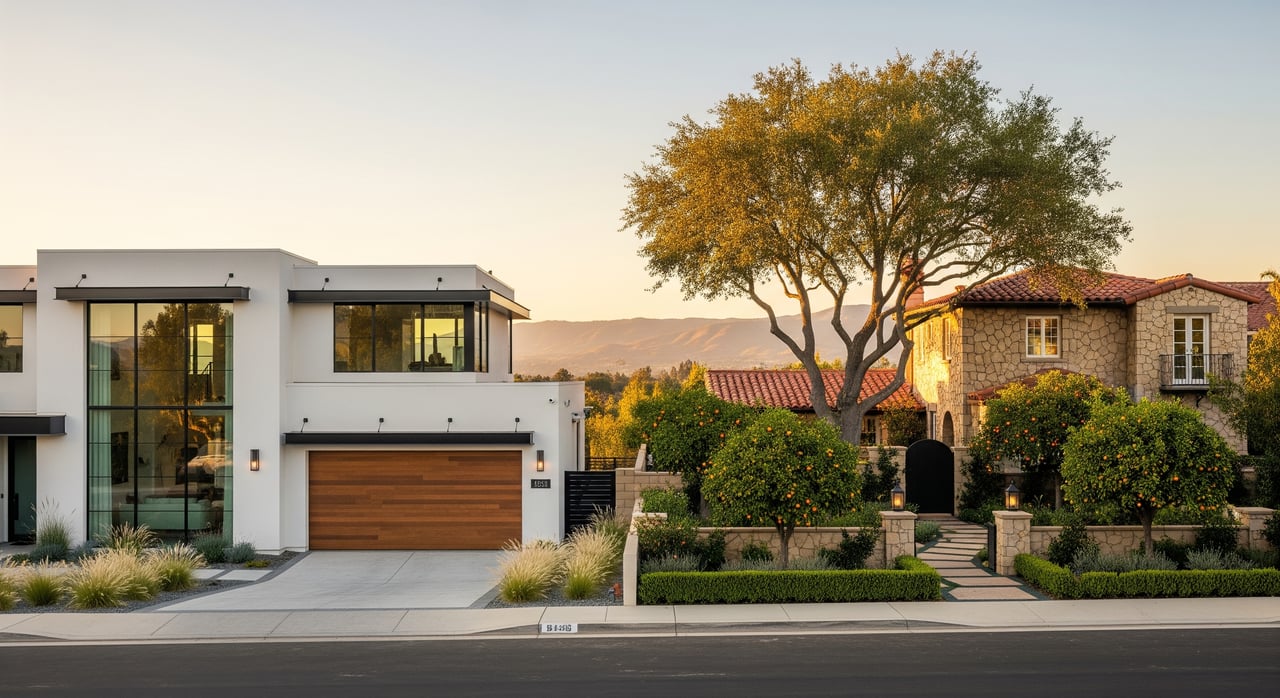
Choosing New Construction or Resale in Menifee
January 8, 2026
January 8, 2026
Trying to decide between a brand‑new build or a resale home in Menifee? You are not alone. With so many master‑planned communities and established neighborhoods, the choice can feel overwhelming. In this guide, you will learn how timelines, taxes, HOAs, warranties, inspections, financing, and upgrades compare so you can move forward with confidence. Let’s dive in.
Menifee has grown around master‑planned communities, so you will see plenty of builder tracts with amenities alongside established resale neighborhoods. New homes often sit inside communities with clubhouses, pools, and trails, which usually means an HOA and possible special taxes. Resale options include older tract homes, infill single‑family, and some condos or townhomes. Your best fit comes down to timing, budget, and how much you value move‑in readiness versus potential project work.
For build‑to‑order homes, plan on several months from contract to move‑in, often 6 to 12 or more depending on permits and utility connections. Quick‑move‑in or spec homes can be much faster, sometimes a few weeks to a couple of months if construction is complete. Lenders typically need a final inspection or certificate of occupancy before funding your loan. Review completion dates, delay clauses, and whether temporary occupancy is allowed in your builder contract.
Most resale escrows run 30 to 45 days, and you can negotiate shorter or longer based on your needs. The process is more predictable because the home is already built. Your timeline will revolve around inspections, appraisal, loan approval, and any HOA document review.
California property tax is generally about 1 percent of assessed value plus local levies. A new purchase resets the assessed value to your sale price. Resales keep the prior assessment until you change ownership, which can impact your annual tax bill.
Many Menifee master‑planned communities include Community Facilities District (CFD) taxes, often called Mello‑Roos. These special taxes fund infrastructure and can add hundreds to several thousands of dollars per year depending on the parcel. Confirm exact amounts by reviewing the preliminary title report and the most recent county tax bill. Ask how long the CFD lasts because some districts are term‑limited while others continue until bonds are paid.
HOA dues are common in new communities and may start lower or be tiered as amenities are completed. They can change after the developer hands control to homeowners. With resales, you can review the HOA’s operating history, budgets, reserve study, and any recent special assessments before you commit.
One‑time closing costs can also differ. New builds may include builder administrative fees, connection fees, and HOA transfer costs. Resales come with typical escrow, title, and recording fees, which you can estimate early in the process.
Most builders follow a common structure often called 1‑2‑10. You typically get one year for workmanship and fit‑and‑finish, two years for major systems like electrical, plumbing, and HVAC, and ten years for structural defects. Coverage details vary by builder, so confirm start dates, exclusions, transferability, and the claim process. New homes may also include manufacturer warranties for appliances and components.
Resale homes do not include a builder warranty unless the seller provides a home warranty plan. Your protection comes from thorough inspections and the seller’s disclosures. A buyer‑purchased home warranty can help cover systems and appliances during the first year.
Even new homes benefit from independent inspections. Aim for a pre‑drywall inspection to review framing and rough‑ins, and a final inspection before closing to catch incomplete or defective work. Some builders restrict early access, so check your contract. Document issues early to support any warranty claims after you move in.
Plan for a general home inspection and termite or pest inspection. Order specialty inspections when indicated, such as roof, HVAC, sewer or septic, pool, or foundation. Use inspection results to negotiate repairs or credits and to plan your first‑year maintenance budget.
Appraisers look for nearby sales of similar homes. In new tracts, recent comps can be limited or may not reflect your chosen upgrades or lot premiums. Lenders may weigh cost data more heavily when sales comps are thin. If your builder offers incentives or credits, your lender may treat them as price reductions, which can affect appraised value and loan terms. Clarify how upgrades and concessions will be documented to avoid surprises.
Resale appraisals usually rely on closed sales of nearby homes with similar features. Updates matter, but not all improvements return their full cost in appraised value. Clean comparables often make resale appraisals more predictable.
Quick‑move‑in homes usually qualify for standard conventional, FHA, or VA financing, similar to resales. Build‑to‑order homes may require construction or construction‑to‑permanent loans with draw schedules and interest‑only periods. Builders often have preferred lenders and may offer rate buydowns or closing credits. Compare offers carefully to be sure incentives outweigh any limitations or pricing differences. Government loans can work on new construction but often add builder approval and inspection steps.
Resales typically use conventional, FHA, or VA loans with established underwriting and appraisal processes. There are fewer moving parts than with construction financing, which can make timing more predictable.
You will choose options at the builder’s design center, from cabinets and counters to flooring and HVAC. Builder pricing includes materials, labor, and a markup, so some items can cost more than hiring your own contractor later. The trade‑off is that builder‑installed options are done on schedule and may keep warranty coverage intact. Get an itemized price list, confirm what is included in the base, and ask about lead times. Build in a 5 to 15 percent contingency for changes or delays. If you must prioritize, focus on durable systems and energy‑efficient features over purely cosmetic upgrades.
Use inspection results to prioritize safety, code, and mechanical needs first. Then plan cosmetic updates based on your timeline and budget. Gather multiple bids for kitchens, baths, HVAC, roof, and any items flagged in the report. Keep in mind that not every remodel returns full cost on resale, so let local comps guide your expectations.
Use this list to compare properties and protect your budget:
Choose new construction if you want modern layouts, energy‑efficient systems, and a clear warranty framework, and if your timeline allows for build completion. Consider resale if you prefer established neighborhoods, mature landscaping, and more predictable appraisal and closing schedules. In Menifee, special taxes and HOA structures can meaningfully affect your monthly costs, so compare total housing expense, not just sale price.
If you want a local advocate to help you weigh tradeoffs and navigate builder contracts, inspections, or HOA documents, reach out for a friendly, no‑pressure conversation. You can schedule time with Kimberly Ybarra to get tailored guidance for your Menifee move.
Stay up to date on the latest real estate trends.
Get assistance in determining current property value, crafting a competitive offer, writing and negotiating a contract, and much more. Contact me today.