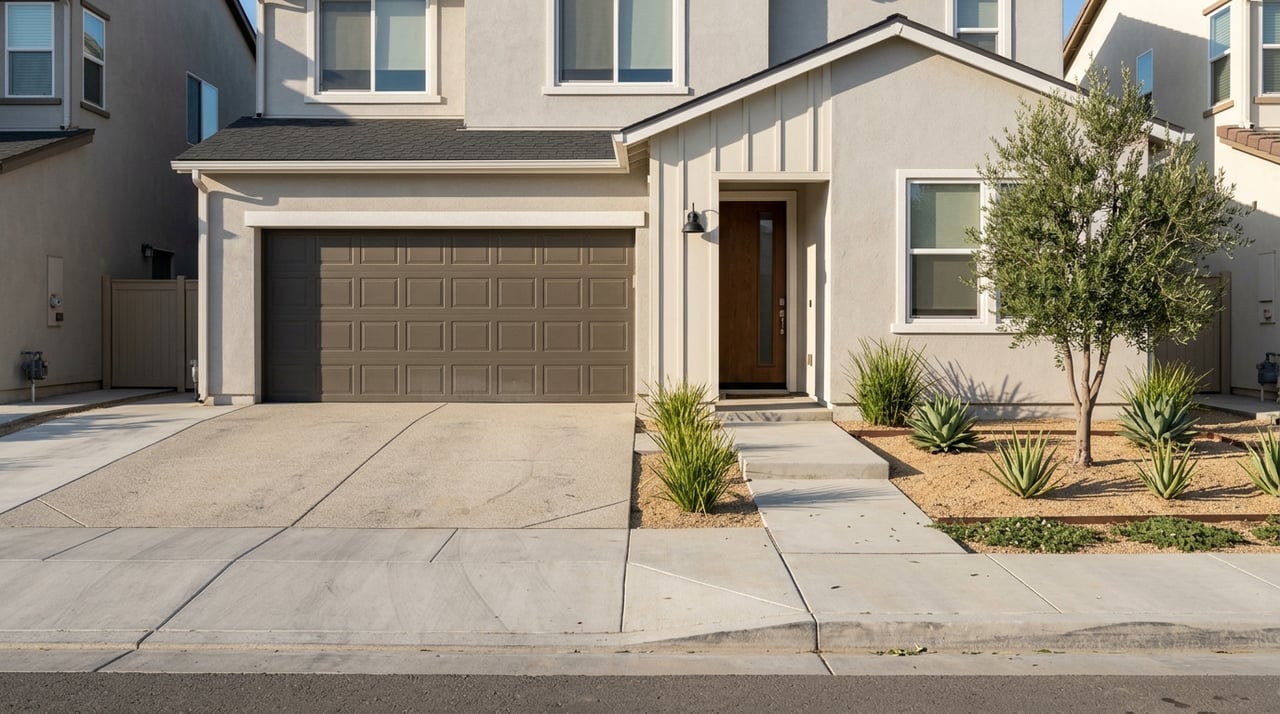
A Guide to Valencia HOA Amenities, Fees, and Rules
May 21, 2026
May 21, 2026
If you love the idea of pools, parks, trails, and maintained common areas, Valencia HOA living can sound like a great fit. But before you buy, it helps to understand that "Valencia" is not one single HOA with one set of fees and rules. If you know what to ask ahead of time, you can compare communities with more confidence and avoid surprises after closing. Let’s dive in.
Valencia is best understood as a master-planned part of Santa Clarita, not a single, uniform HOA community. That matters because the HOA structure, amenities, and dues can vary from one Valencia neighborhood to another.
In newer Valencia by FivePoint neighborhoods, some homes are part of a master association and may also have a sub-association. In practical terms, that means your monthly cost and your rules may depend not just on the village, but also on the specific home collection you choose.
Older Valencia villages also have distinct HOA setups and lifestyles. For example, Bridgeport, Northpark, and Westridge each highlight different amenities and community features, which means buyers should expect meaningful differences from one area to the next.
A key detail to understand is whether a home is part of a master HOA only or a master HOA plus sub-association. In newer Valencia communities, official information states that some homes pay both a Valencia Master assessment and a separate sub-association assessment.
That layered setup can affect both your monthly payment and your access to amenities. It can also affect where you submit questions about design review, maintenance responsibilities, and day-to-day community rules.
Westridge offers another reminder that Valencia-area addresses do not all fall under the exact same local setup. Its HOA notes that it is in an unincorporated portion of Santa Clarita, which shows why buyers should verify jurisdiction, governance, and HOA structure before they commit.
In Valencia Master, HOA assessments are monthly fees used for common-area operating expenses and reserve contributions for future maintenance and replacement. That can include landscaping, irrigation, lighting, pools, buildings, and other shared amenities.
In newer Valencia communities, dues may also support resident clubs, events, programs, professional management, common-area insurance, architectural review, and controlled key-fob access. Depending on the home, there may also be additional sub-association fees tied to extra benefits or services.
This is one reason HOA dues in Valencia can vary so much. You are not just paying a flat neighborhood fee. You are paying for a specific package of shared spaces, services, and long-term maintenance obligations.
One of the biggest surprises for buyers is how wide the fee range can be in Valencia. Official new-home pages show approximate HOA dues of about $430 per month for several FivePoint Valencia products, while Outlook at Valencia shows approximate monthly HOA fees of $1,231.
That is a major spread, and it highlights an important point. In Valencia, your dues can change sharply based on the village, building type, and amenity package.
When you compare homes, it helps to look at the total monthly housing cost, not just the mortgage payment. A lower purchase price with higher HOA dues may feel very different from a higher purchase price with lower ongoing fees.
For many buyers, HOA living is appealing because of the lifestyle it can support. Official Valencia materials describe private parks, three swimming pools, cabanas, outdoor grills, a nature-inspired playground, a shared urban garden, resident clubs, and a weekly farmers market.
The Eastlink greenway is another notable feature in newer Valencia. It is described as a network of walking, biking, and Neighborhood Electric Vehicle paths that connect parks and open space.
It is also important to know which spaces are private and which are public. Valencia notes that private parks such as Confluence, Verve, Eastlink, and the future Vantage Park are HOA-owned, while Riparian Park is a public LA County park.
Valencia neighborhoods are not interchangeable, even when they share a general location. Bridgeport emphasizes a lake-centered setting with a clubhouse, pool, spa, paddle boats, and paseos.
Northpark highlights more than 1,200 homes, three pools with jacuzzis and kiddie pools, a basketball half court, a clubhouse, and yearly events. Westridge points to two recreation centers, pools, spas, shade structures, tennis, basketball, a clubhouse, and a private park.
That means your decision is not just about finding a home you like. It is also about choosing the amenity mix, rules, and monthly carrying costs that best match your routine and budget.
HOA life is not only about amenities and dues. It also comes with rules that can shape what ownership looks like on a daily basis.
In Valencia Master, homeowners must submit rear and side yard landscape plans within 120 days of close of escrow and complete approved yard improvements within one year. If a home is in a sub-association, owners are directed to contact that management company for architectural details.
That tells you something important as a buyer. If you plan to personalize outdoor areas or make exterior changes, you should find out what approvals are required and how long that process usually takes.
California law gives buyers important access to HOA information before closing. The California Attorney General notes that HOAs generally make and enforce rules, require membership in most cases, and collect fees and assessments.
Before closing, sellers must provide key HOA documents to the buyer. These include governing documents, the most recent annual budget documents, a statement of current regular and special assessments and unpaid charges, and any unresolved violation notices.
If the buyer or seller requests HOA documents in writing, the association must provide them within 10 days and may charge only a reasonable fee based on actual cost. For buyers, that disclosure window is your chance to look past the brochure and understand the actual obligations tied to the property.
The financial side of an HOA deserves just as much attention as the pools, parks, and clubhouse. California requires annual budget reports, reserve summaries, and insurance summaries, and reserve studies must include a visual inspection of major components at least every three years.
The reserve funding plan must also include a schedule of assessment changes if needed. In general, boards may not raise regular assessments by more than 20 percent or impose special assessments above 5 percent of budgeted gross expenses without member approval.
For you as a buyer, this means the budget and reserve information can help you spot whether the association appears to be planning ahead for future repairs and replacement costs. It can also help you ask better questions about possible dues increases.
When you tour a Valencia home in an HOA, bring a short list of practical questions. These answers can tell you a lot about daily life and long-term cost.
Ask questions like these:
These questions are especially important in Valencia because the answers can change from one neighborhood to the next. A home that looks similar on paper may come with a very different ownership experience.
A smart comparison goes beyond square footage and list price. You want to weigh the home, the monthly dues, the amenity package, the rule structure, and the overall fit for your lifestyle.
It also helps to think ahead. If you enjoy low-maintenance living and shared recreation spaces, a higher HOA fee may feel worthwhile. If you want more flexibility for exterior changes or a lower monthly carrying cost, you may want to look carefully at which Valencia neighborhoods best support that goal.
The bottom line is simple: Valencia HOA communities can offer strong amenities, maintained shared spaces, and a cohesive neighborhood feel. The tradeoff is more structure, more rules, and a broader range of monthly costs than many non-HOA neighborhoods.
If you want help comparing HOA communities, reviewing the numbers, or narrowing down which Valencia neighborhoods fit your goals, Kimberly Ybarra can help you make a clear, informed decision.
Stay up to date on the latest real estate trends.
Get assistance in determining current property value, crafting a competitive offer, writing and negotiating a contract, and much more. Contact me today.