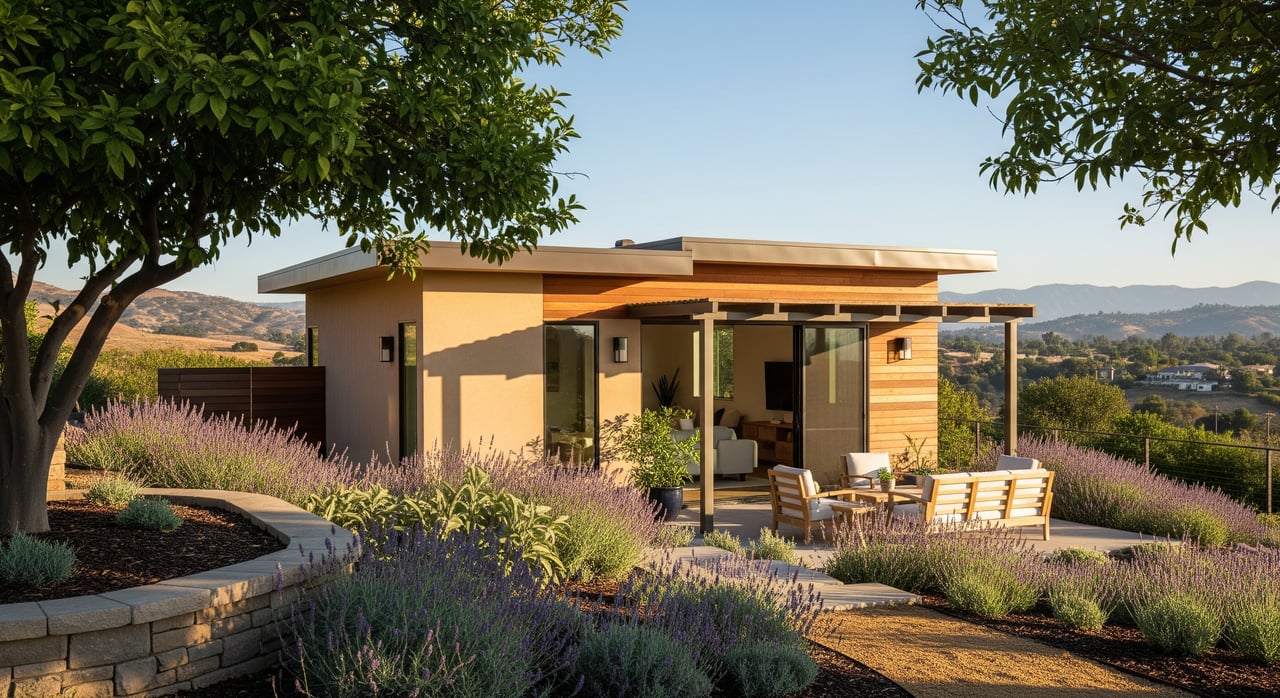
Understanding ADU Rules for Woodcrest, Riverside County Homes
December 18, 2025
December 18, 2025
Thinking about adding a backyard home in Woodcrest to keep family close or earn rental income? You are not alone. ADUs are a smart way to use larger lots and increase flexibility without moving. This guide breaks down the essentials for unincorporated Riverside County so you can plan with confidence and avoid costly detours. You will learn the types of ADUs, size basics, parking and septic considerations, permit steps, and where to find reliable county resources. Let’s dive in.
Woodcrest is an unincorporated community, so your ADU is reviewed and permitted by Riverside County, not a city. The County’s planning and building teams coordinate with fire and local utilities during review. Start your research on the Riverside County Transportation & Land Management Agency portal to confirm zoning, submittal steps, and fee schedules.
Many Woodcrest parcels are suburban to semi-rural with larger lots. Some properties use septic systems or private wells. Driveways can be long, and certain areas have wildfire risk. These site details often shape what is feasible. Plan for utility and septic checks, and expect fire review for access and defensible space.
Understanding your options helps you scope budget, timeline, and complexity.
A standalone small home on the same lot. You place it away from the main house, which offers privacy for multi‑generational living or long‑term rental. Detached units usually require full plans, utility connections, and more site work.
An addition connected to your existing home. This can be more cost‑efficient than a detached unit and may share walls or utilities, but it still requires plans and permits.
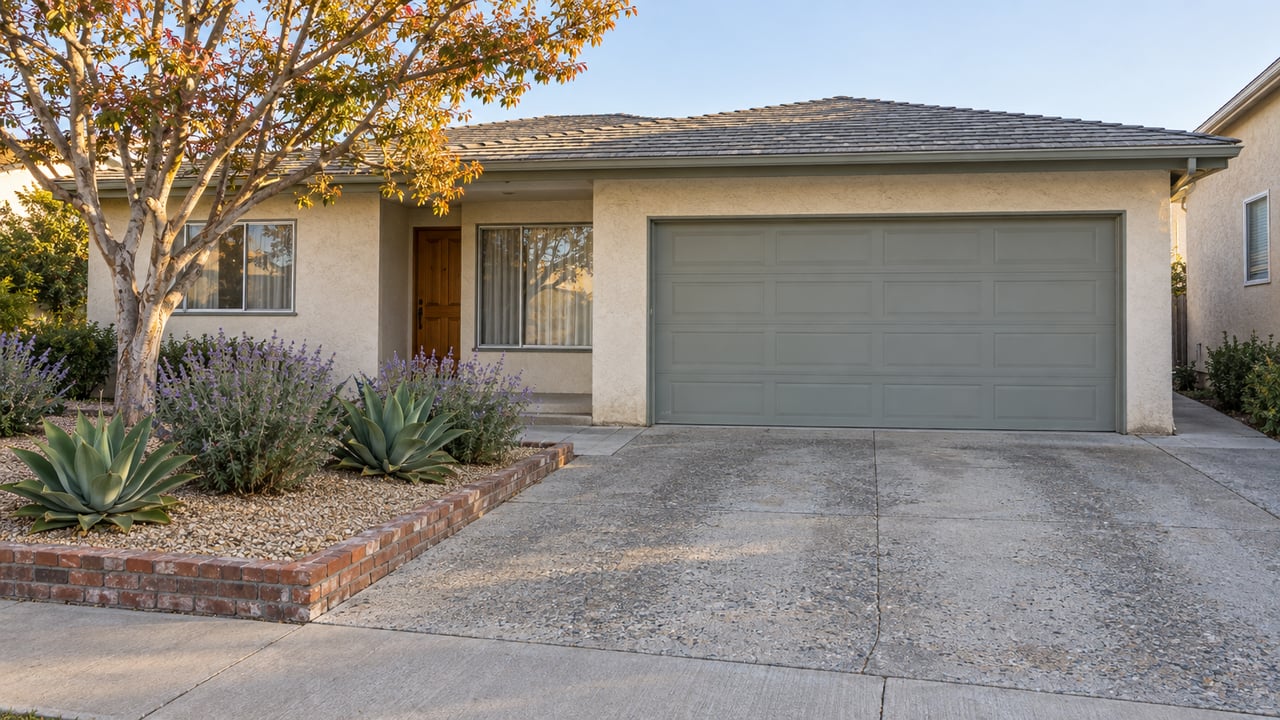
A conversion of existing space, like a garage or accessory structure. These often move faster because the envelope already exists. You will still need to meet egress and safety codes, and utilities may need upgrades.
A smaller unit created within your existing single‑family home. A JADU is typically up to 500 sq ft and can be an efficient way to add a separate living area. For a helpful overview of statewide ADU concepts and limits, see the California Department of Housing and Community Development’s ADU guidance.
State law sets broad upper limits that local governments implement. The often cited statewide cap is up to 1,200 sq ft for many ADUs, but your exact size, height, and lot coverage are set by county zoning and your specific lot. Always verify the current numeric limits with Riverside County planning before you design.
County zoning controls where you can place a new structure, how tall it can be, and how much of your lot it can cover. Those rules vary by district in unincorporated areas around Woodcrest. Converting existing enclosed space generally triggers fewer site placement limits than building a new detached unit. If your lot has slopes, narrow access, or trees, factor in grading, drainage, and defensible space from the start.
Utility capacity can be a make‑or‑break item for ADUs in semi‑rural parts of Woodcrest.
California has limited excessive parking requirements for ADUs. In practice, Riverside County applies local standards that follow state law. Common exceptions include:
Woodcrest is more auto‑oriented with limited transit, so expect the County to require at least one on‑site space for many new detached ADUs unless an exception applies. Your driveway width, slope, and turning radius also matter. Fire access and safe approach for emergency vehicles can influence where you place the unit.
Most ADUs are reviewed through a ministerial process, which is streamlined compared to discretionary permits. Your exact path depends on your lot and ADU type.
Pre‑application consult: Meet with County planning or building staff to confirm zoning, setbacks, lot coverage, utilities or septic needs, and whether a fire review is required. Start at the TLMA portal and look for planning counter hours or pre‑application options.
Design and plans: Prepare a site plan showing existing and proposed structures, setbacks, drainage, and grading if needed. Add floor plans, elevations, and structural or foundation plans for new construction. For a conversion, show the scope of work, code upgrades, and egress.
Application submittal: File planning and building permit applications. Pay plan‑check and application fees.
Review and revisions: County planning, building, fire, and possibly environmental staff review your plans. Many ADUs are ministerial and not subject to lengthy environmental review, but confirm your case during intake.
Permit issuance: After approvals and fee payment, the County issues your building permit.
Inspections and final: Expect inspections for foundation, framing, electrical, plumbing, and finals. You will receive occupancy sign‑off after passing final inspection.
Timelines vary by workload and complexity. A straightforward conversion may move in weeks to a few months. A new detached ADU typically takes longer due to site work, utilities, and additional reviews.
Counties charge plan review and building permit fees, and some charge development impact or connection fees. State law limits how impact and utility fees can be applied to ADUs. Many jurisdictions reduce or waive certain fees for smaller units, commonly under 750 sq ft. For current amounts and any reductions, check Riverside County’s fee schedules and confirm during your pre‑application conversation.
Many Woodcrest homeowners build ADUs for rental income. Statewide ADU laws generally allow rentals that meet health and safety codes. Riverside County may have rules on short‑term rentals or business licensing, so verify the current policy before you market the unit. State law has also limited local owner‑occupancy requirements in the past, but local policies can change. Confirm today’s standards with County staff during your early consult.
Use this checklist to organize your first steps and spot deal‑breakers early.
An ADU can add flexibility and value, especially on larger Woodcrest lots. If you plan to sell, presenting a compliant conversion or a permitted ADU can help buyers see the upside. If you plan to buy, targeting lots with favorable setbacks, access, and utility capacity can save time and money later.
You deserve clear, local guidance on how an ADU fits your goals. If you want help assessing resale impact or identifying ADU‑friendly properties across Woodcrest and nearby Riverside neighborhoods, reach out to Kimberly Ybarra for a friendly, no‑pressure conversation.
Ready to explore your options or time a move around your ADU plans? Connect with Kimberly Ybarra to Schedule Your Free Consultation.
Stay up to date on the latest real estate trends.
Get assistance in determining current property value, crafting a competitive offer, writing and negotiating a contract, and much more. Contact me today.