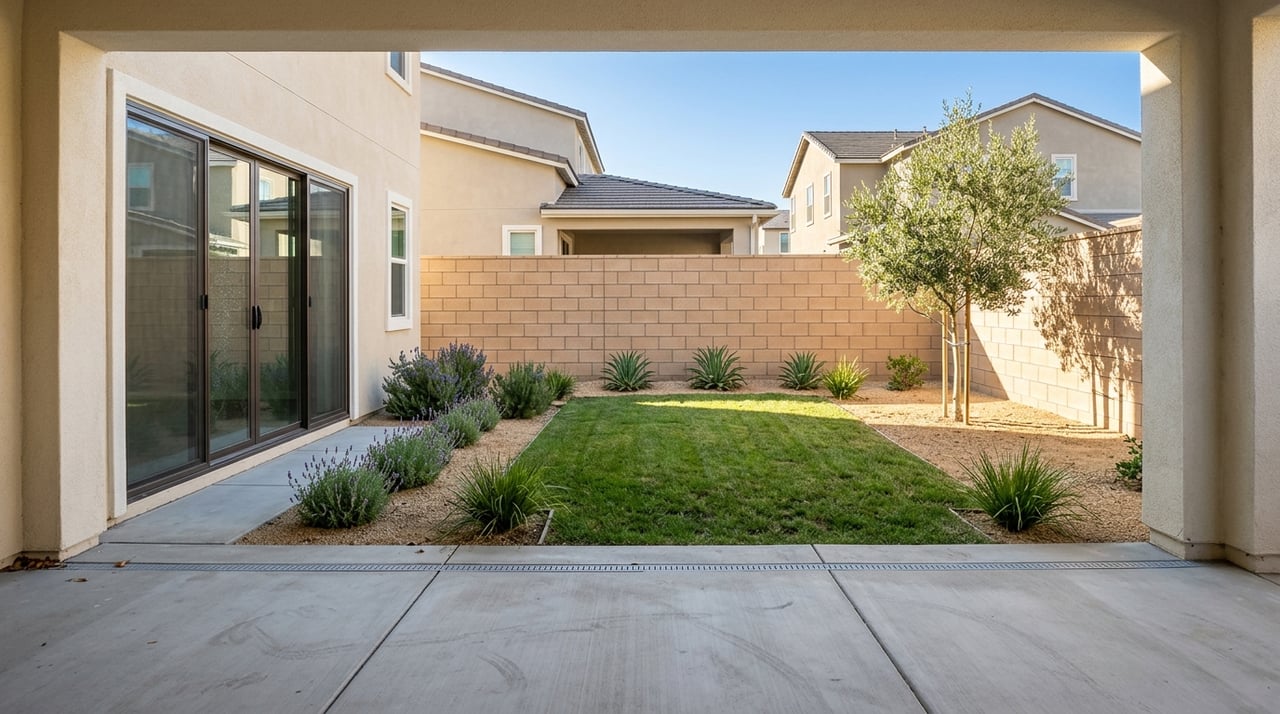
Buying Newer Tract Homes In Lancaster
June 4, 2026
June 4, 2026
If you are thinking about buying a newer tract home in Lancaster, the model home can make the decision feel easy. The floor plans are polished, the finishes are current, and the promise of lower-maintenance living is appealing. But before you fall in love with the base price alone, it helps to understand how these communities are structured, what the real monthly cost may look like, and how a newer tract home compares with an older resale. Let’s dive in.
Lancaster’s newer-home market is not just a small side category. The city’s 2021-2029 housing element says Lancaster must accommodate 9,023 housing units, which helps explain why new subdivision supply continues to matter in the local market.
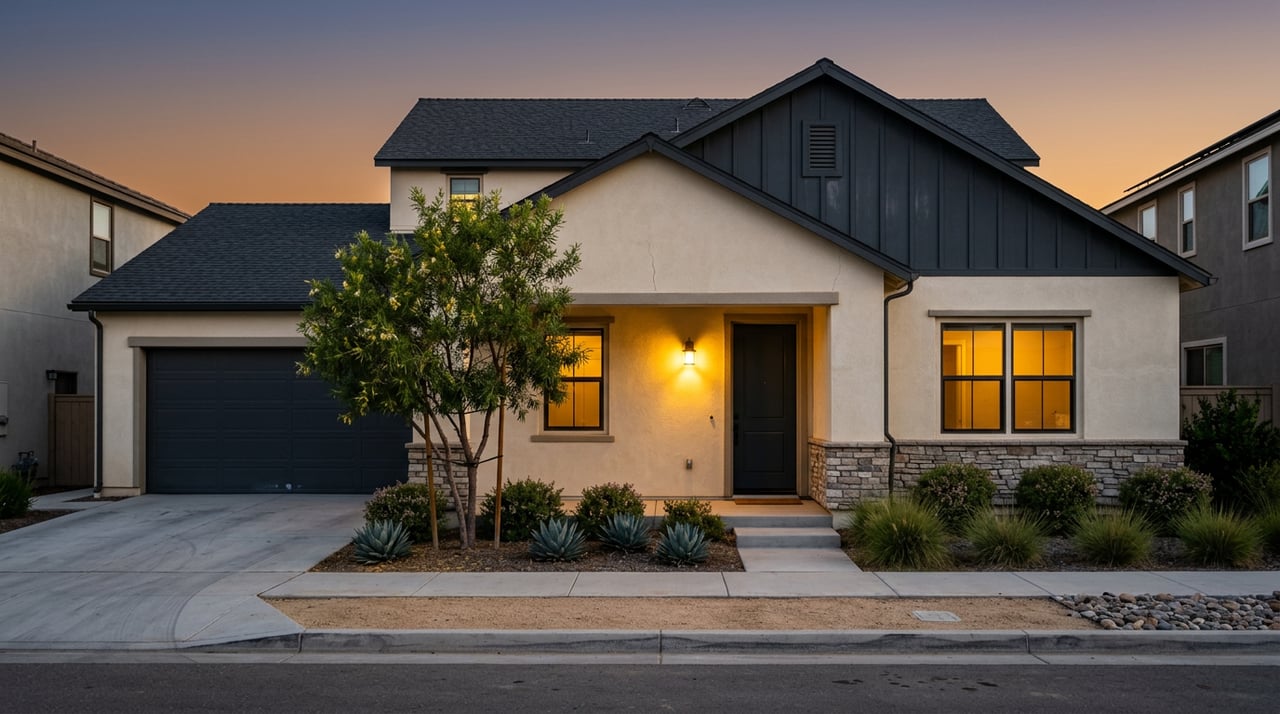
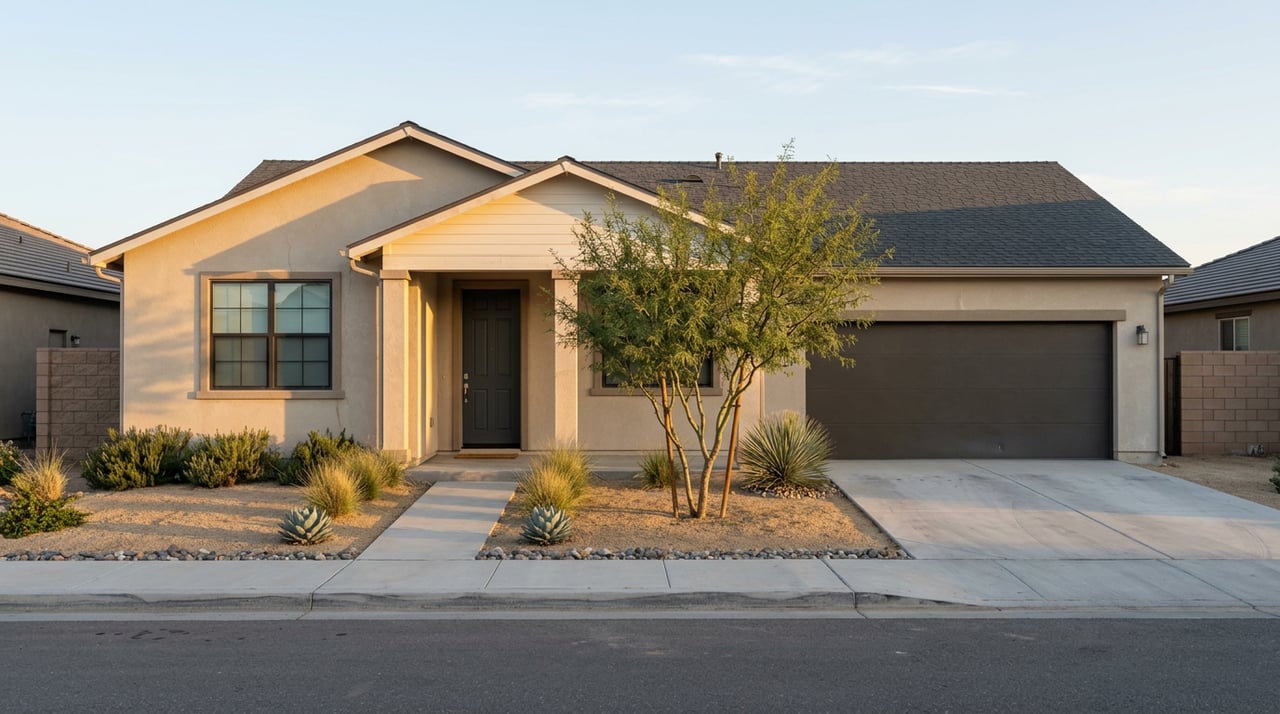
Current offerings also show a clear pattern in the product type being built. Recent communities such as Pacific Lily and KB Home’s Sonora lean single-story, while Pacific Palacio includes both one- and two-story plans.
In practical terms, many newer tract homes in Lancaster offer space for buyers who want room to spread out. Current floor plans commonly range from about 1,818 to 3,597 square feet, often with 4 to 5 or more bedrooms, 2 to 3.5 bathrooms, and 2- to 3-car garages.
You will also see a strong focus on modern, standardized layouts. Builders highlight open kitchens, large great rooms, islands, separate dining areas, expansive bedroom suites, and flexible spaces that can support a home office, multigenerational living, or a second living area.
One of the biggest mistakes buyers make is assuming every lot in the same tract feels the same. In Lancaster, homesite size can vary quite a bit even within one subdivision.
A tract map for a 150-lot Lancaster subdivision shows lot sizes ranging from 7,083 to 15,614 square feet. Other active communities show examples like a 7,968 square foot quick move-in homesite and homesites starting at 10,000 square feet or more.
That means the floor plan is only part of the story. You also want to pay attention to lot depth, side yard space, privacy, orientation, and whether your home sits on a private subdivision street or a public street.
This is where many buyers need the most clarity. A newer tract home can look competitive on paper, but the headline price often does not capture the full carrying cost.
Builders note that posted prices and advertised monthly payments may exclude HOA fees, lot premiums, and solar costs. They also warn that pricing, square footage, available options, association fees, and homesite premiums can change depending on the lot and plan you choose.
That can shift your payment more than expected. In Lancaster, where the latest Census QuickFacts lists median selected monthly owner costs with a mortgage at $2,245, it is smart to compare your projected all-in payment rather than just the builder’s starting number.
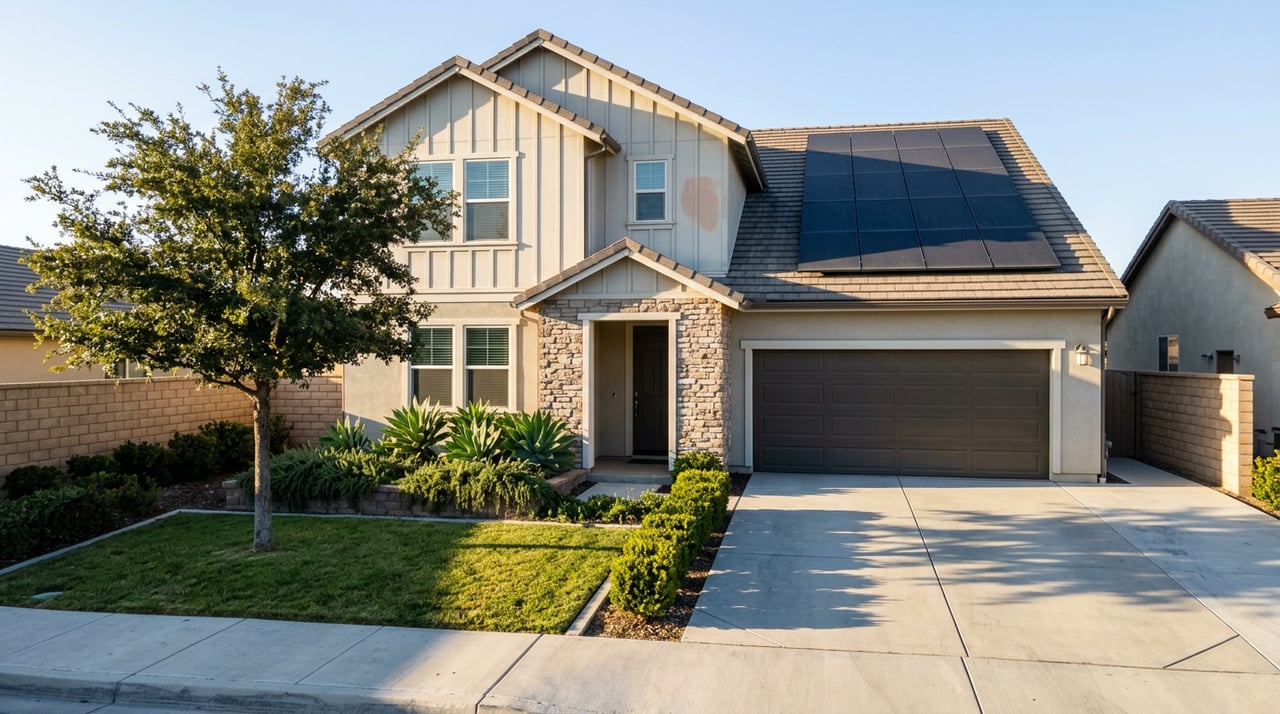
In California, newly constructed single-family homes are subject to solar PV requirements under the California Energy Commission. Some builders, including KB Home, state that solar is not included in the posted price and may be leased or purchased separately.
That distinction matters because a lease payment or purchase cost can affect your monthly budget. It also means two homes with similar base prices may carry different long-term costs depending on how solar is structured.
HOA costs deserve the same level of attention. A Lancaster tract map showing private subdivision streets is a good reminder that newer communities may include shared maintenance obligations, common-area upkeep, and more community rules than an older resale neighborhood.
In California, common interest developments are regulated through Department of Real Estate public reports. These reports disclose items such as CC&Rs, HOA assessments, common-area obligations, and other material terms before a buyer becomes obligated.
The California Department of Real Estate specifically says buyers should read those documents carefully. That is especially important in newer Lancaster communities where community governance may affect parking, exterior changes, maintenance responsibilities, and shared areas.
California Civil Code 4525 also requires a seller in a common interest development to provide governing documents, recent financial documents, current assessments, unpaid fees, unresolved violation notices, and certain reserve- and defect-related materials. If you are buying with future rental flexibility in mind, any rental restriction notice is especially important to review.
Another detail buyers often miss is how community control changes over time. The Department of Real Estate notes that once the last remaining lot or unit is conveyed, oversight shifts to the HOA board, so you should understand who will run the community after buildout.
For many buyers, the real question is not just whether to buy in Lancaster. It is whether to choose a newer tract home or an older resale.
Newer tract homes usually offer a more predictable product. You are often getting builder-designed layouts, newer systems, and construction that emphasizes energy and water efficiency.
For example, KB Home says its Sonora homes are ENERGY STAR certified and engineered for energy and water efficiency. That can be meaningful when you are comparing likely utility performance and the timing of future system replacements.
Energy efficiency is one area where the gap can stand out. A Richmond American Lancaster brochure uses HERS 100 for a standard new home and HERS 130 for a typical resale home, and RESNET explains that lower HERS scores indicate better energy efficiency.
Older resale homes can still be a great fit, but they usually require more condition diligence. California’s Transfer Disclosure Statement rules apply to single-family residential transfers, and the Department of Real Estate advises buyers to review both the seller-completed disclosure and the agent’s visual inspection for physical condition, hazards, and defects.
When you compare an older resale, it helps to ask about:
When you compare a newer tract home, it helps to focus on:
In simple terms, newer Lancaster tract homes often offer more predictable layouts and systems, while older resales may offer more variation in design, finishes, lot character, and maintenance history.
If you are touring newer communities in Lancaster, it helps to go in with a clear framework. That can keep you from getting distracted by staging and help you compare homes on the details that affect daily life and monthly cost.
Here is a practical checklist to bring with you.
Ask for a full cost breakdown that includes:
Think beyond square footage alone. Consider whether you want a single-story or two-story layout, how many bedrooms you actually need, what garage size works best, and whether flex space matters for a home office or multigenerational setup.
A beautiful plan on the wrong lot may not feel right long term. Check side-yard space, backyard depth, privacy, orientation, and whether the street is private or public.
Before you reserve a lot or remove contingencies, read the CC&Rs, current assessments, reserve or budget information, rental rules, and maintenance responsibilities. This is where a lot of important ownership details show up.
Do not compare a new tract home to an older resale based only on price per square foot. Compare likely maintenance timing, energy efficiency, disclosure quality, HOA obligations, and total monthly cost.
A newer tract home in Lancaster can be a strong fit if you want a contemporary layout, lower immediate maintenance, and modern energy-focused construction. These homes can also appeal if you like the simplicity of choosing from builder plans and prefer a home with newer systems.
The tradeoff is that you may see less individuality from house to house, more HOA governance, and more add-on costs that need to be verified carefully. That does not make newer construction a bad choice. It just means the smartest buyers look past the model-home presentation and evaluate the full picture.
If you want help comparing Lancaster new construction with resale options, or sorting through builder pricing and community documents, working with someone who understands both can save you time and costly surprises. When you are ready for personalized guidance, connect with Kimberly Ybarra for a conversation about your next move.
Stay up to date on the latest real estate trends.

Get assistance in determining current property value, crafting a competitive offer, writing and negotiating a contract, and much more. Contact me today.