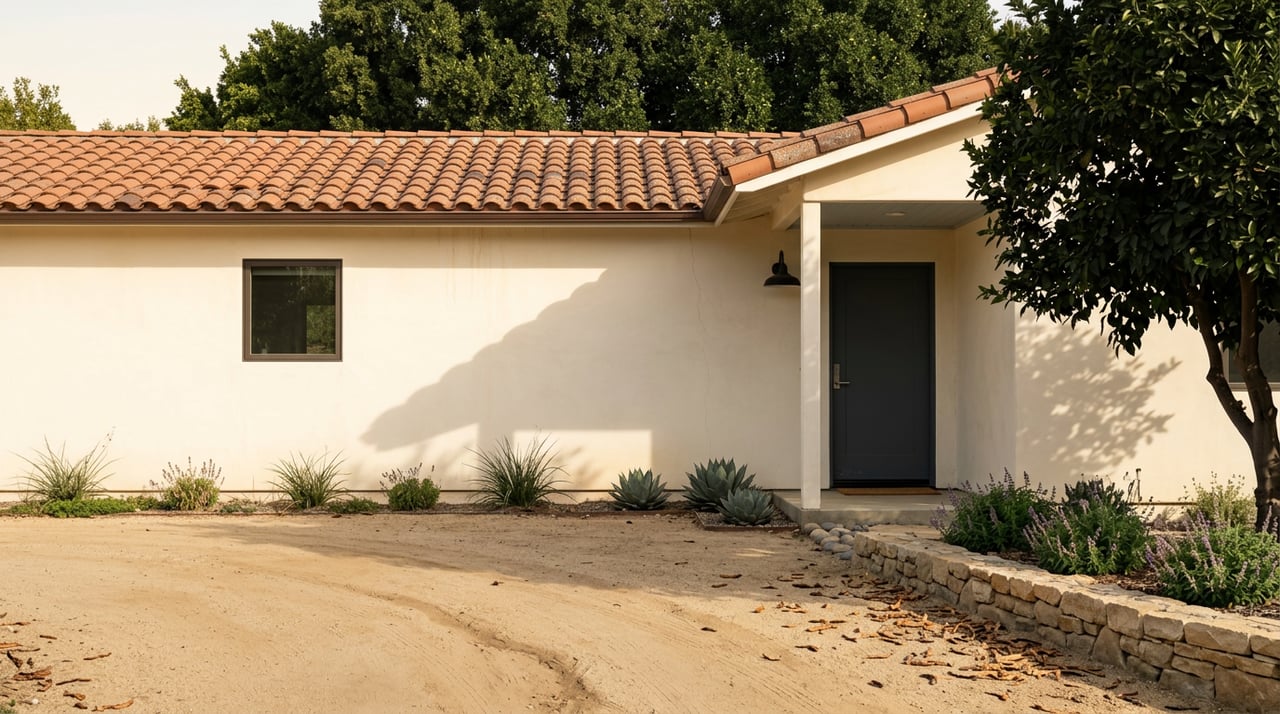
What if your Hesperia front yard could look great, use less water, and make buyers smile the moment they pull up? In the high desert, your curb appeal has to work with heat, sun, wind, and occasional winter chill. The good news is you can create a clean, modern look that is low on maintenance and big on first impressions. In this guide, you will learn what to plant, how to design, and which upgrades deliver the most value for Hesperia homes. Let’s dive in.
Why desert curb appeal matters in Hesperia
Hesperia sits in Southern California’s high desert. Summers are hot and dry, winters can bring frost, and rain is limited. Yards that embrace low-water design not only look right for the area, they are easier to care for and more resilient.
Before you start, check your local water provider for any turf-removal rules, irrigation guidelines, or rebate programs. Use WUCOLS to match plant choices to a water budget. If you are in or near a fire-risk area, review CAL FIRE defensible-space guidance and follow city and county requirements when planting near your structure. If your neighborhood has an HOA, confirm landscaping rules and whether exterior changes need approval. Some hardscape work and irrigation near public easements may also require permits.
Design the right xeriscape
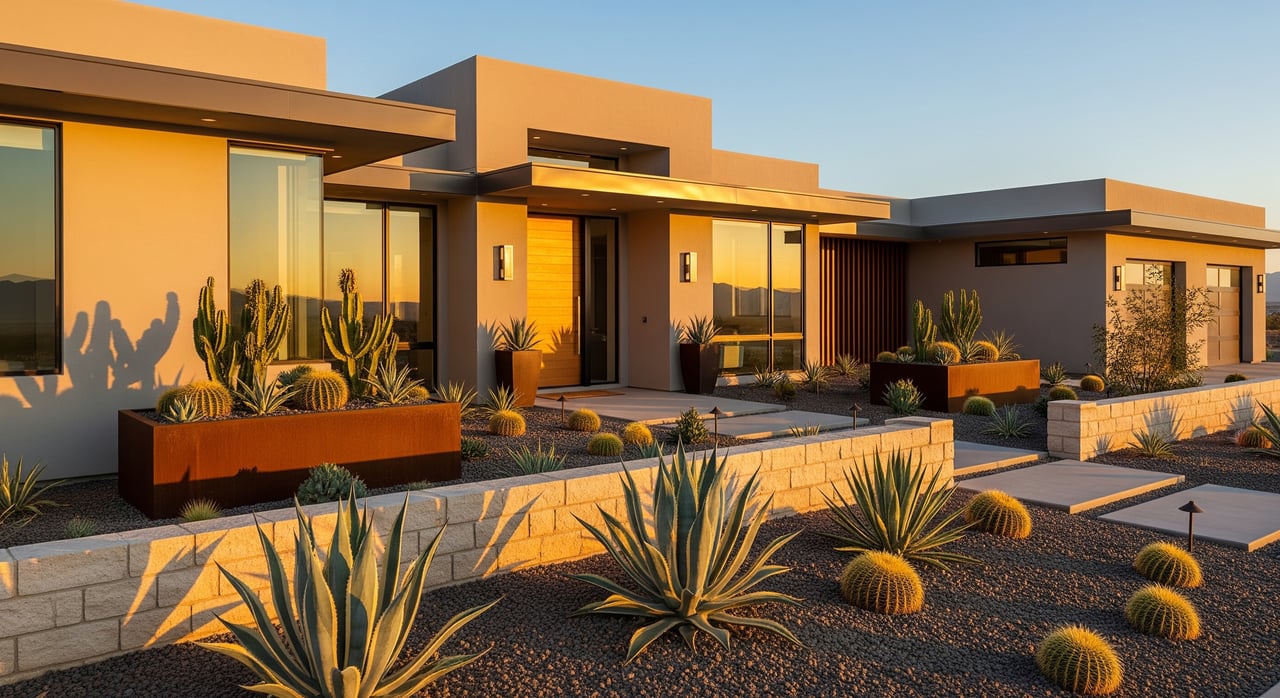
A great Hesperia landscape does more with less. Focus on water-smart design, clean lines, and hardy plants that handle heat and occasional cold.
Group plants by water use
Hydrozoning makes irrigation simpler and more efficient. Place trees in deep-watering zones. Group shrubs and perennials with similar needs together. Keep any higher-water plants closest to the house where shade and reflected heat help reduce stress.
Choose hardy plants that thrive
Select species that handle sun, wind, and Hesperia’s winter lows. Verify exact cold tolerance for your microclimate and avoid invasive species.
- Small trees and large shrubs:
- Desert willow for summer blooms and pollinators.
- Palo verde for classic desert structure and low water.
- Mediterranean redbud varieties for spring color.
- Shrubs:
- California lilac for low-water evergreen structure.
- Rosemary for fragrance and year-round greenery.
- Manzanita varieties suited to higher elevations for strong form.
- Perennials and sages:
- Russian sage for long-season color.
- Salvia varieties for pollinator activity and seasonal blooms.
- Lavender for fragrance and tidy clumps.
- Ornamental grasses:
- Deer grass for movement and texture.
- Blue fescue and other hardy clumps for contrast.
- Cacti and succulents:
- Agave, prickly pear, and barrel cactus for sculptural focal points. Choose types that tolerate occasional freezes.
- Groundcovers and lawn alternatives:
- Low-water succulent mats or native mixes for green texture.
- Native wildflower blends for seasonal color once established.
Mulch and groundcovers that work
Mulch reduces evaporation and keeps soil temperatures more even. In Hesperia, decomposed granite, gravel, and rock are reliable choices. Use organic mulch in plant beds where it suits your design, and keep mulch a few inches away from stems and the base of the house.
Plant at the right time
Late winter through early spring is ideal for planting. Roots get a head start before peak summer heat, which lowers stress and helps plants establish with less water.
Hardscape that looks great and lasts
Hardscape sets the tone for your entry. Choose materials that read as desert-friendly and stand up to sun and temperature swings.
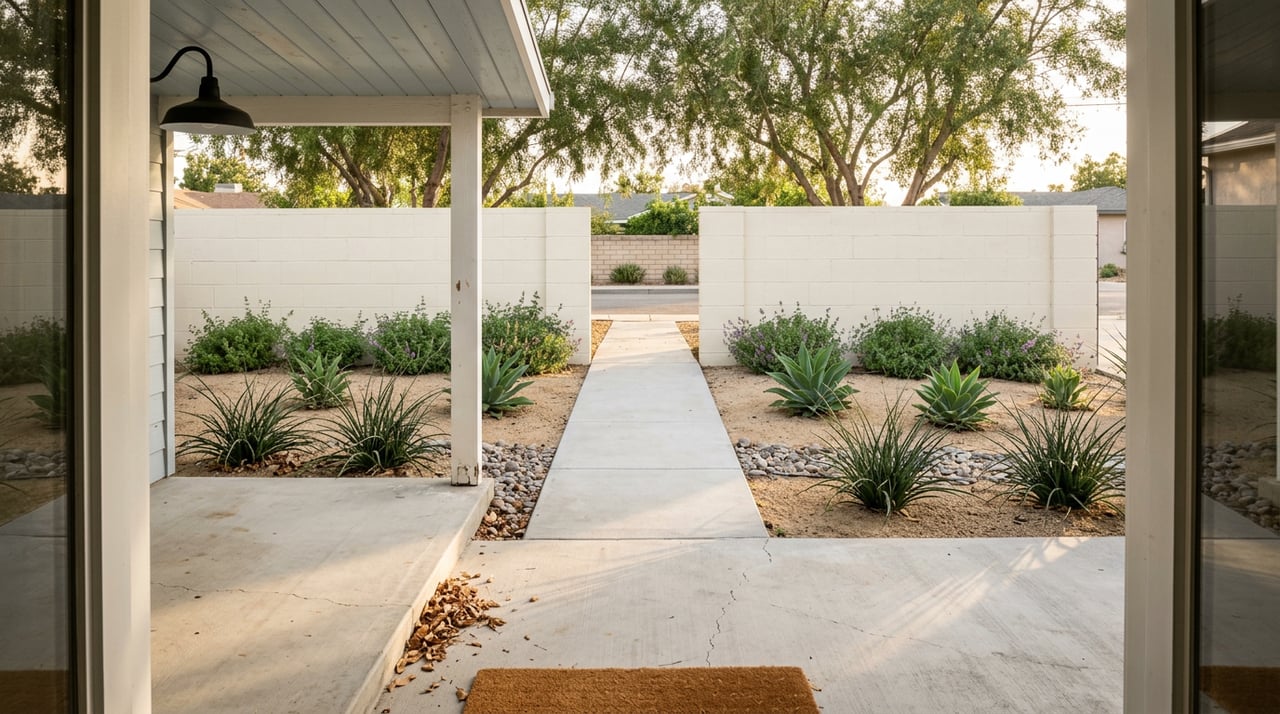
- Use decomposed granite, angular gravel, native boulders, and warm-toned pavers for a cohesive look.
- Create clear, low-maintenance paths with a direct line to the front door.
- Add one strong focal point, such as a specimen agave or a refined boulder group, to anchor the design.
- Favor permeable surfaces to reduce runoff and support good drainage.
Smart irrigation for the high desert
Water efficiency is a top priority in Hesperia. A smart, simple system helps plants thrive while keeping costs down.
- Install drip irrigation for plant beds with proper filtration and pressure regulation.
- Use adjustable micro-emitters, and keep trees on their own deep-watering zones.
- Choose a smart controller that adjusts to local weather to avoid overwatering.
- Plan for freezing nights by locating and labeling shutoff valves and using frost-tolerant components.
Lighting and entry refresh buyers notice
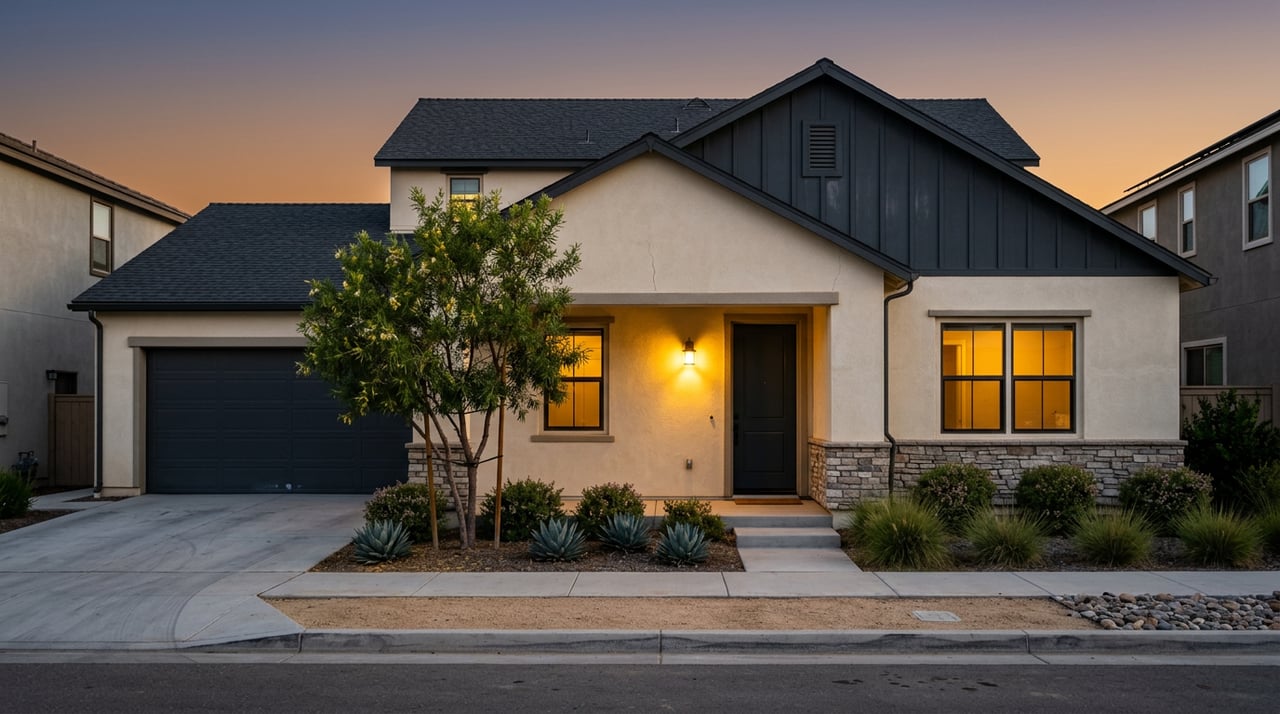
Simple, warm LED lighting makes your home feel welcoming in the evening and helps highlight the path to the door. Use shielded fixtures with warm color temperatures to avoid glare and to support dark-sky principles. Light the house number, key path sections, and one or two focal features for a polished look.
A few budget-friendly entry upgrades go a long way:
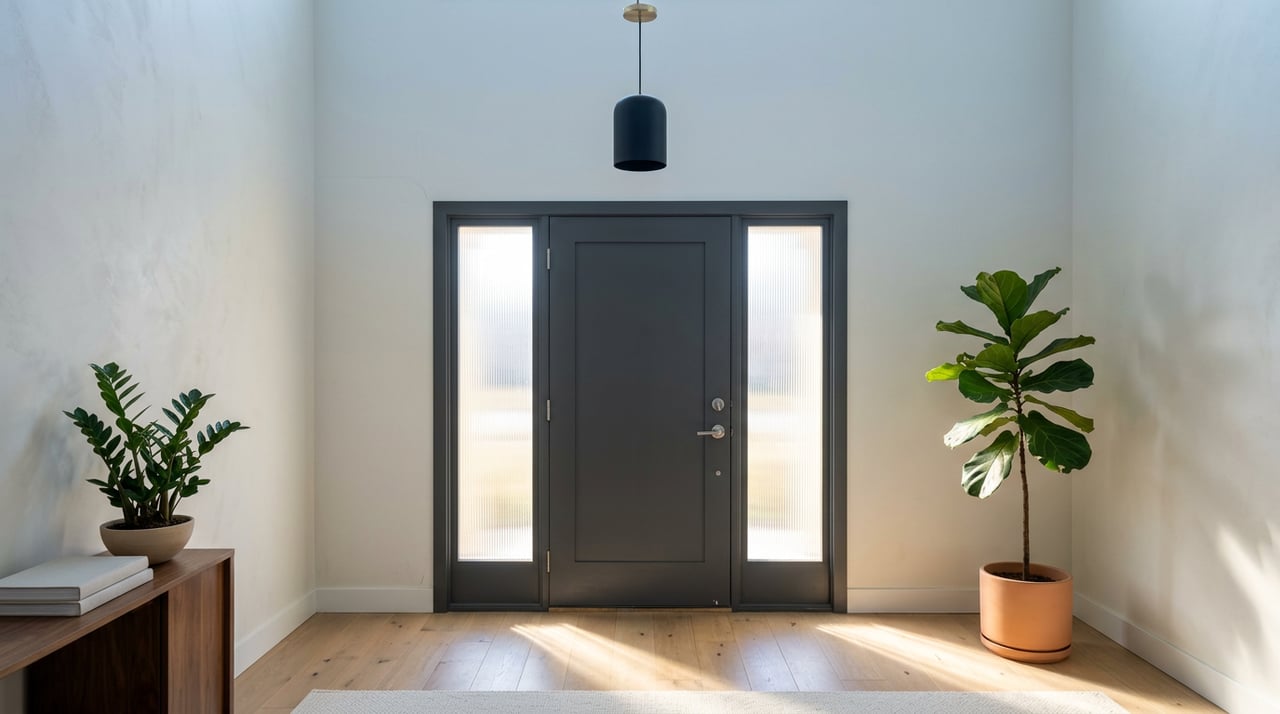
- Paint the front door in a contrasting accent color that complements desert neutrals.
- Update hardware, doorbell, and house numbers to a modern style.
- Clean and seal pavers if needed, and refresh stucco repairs with matte or satin finishes.
- Place two to four larger containers with sculptural plants near the entry for easy impact.
What Hesperia buyers appreciate
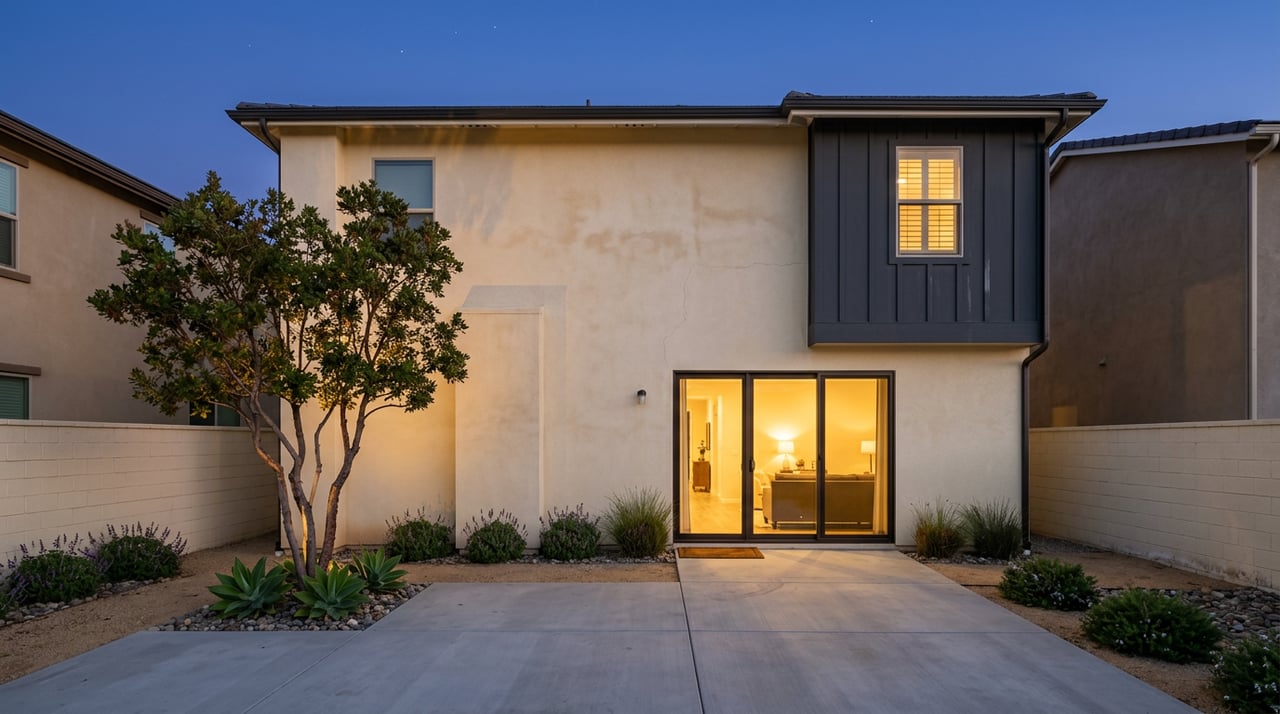
Local buyers often value low-water, low-maintenance curb appeal that still feels inviting. Clean xeriscape designs with a clear path, tidy beds, and a few bold focal points tend to show well. Tasteful evening lighting can improve the impression during later showings and helps buyers appreciate your landscape details.
Quick-win priorities with strong ROI
If you want the most impact for the least effort, start here:
- Refresh the front door and trim, and upgrade hardware and house numbers.
- Clean and repair the driveway and walkways, and remove clutter.
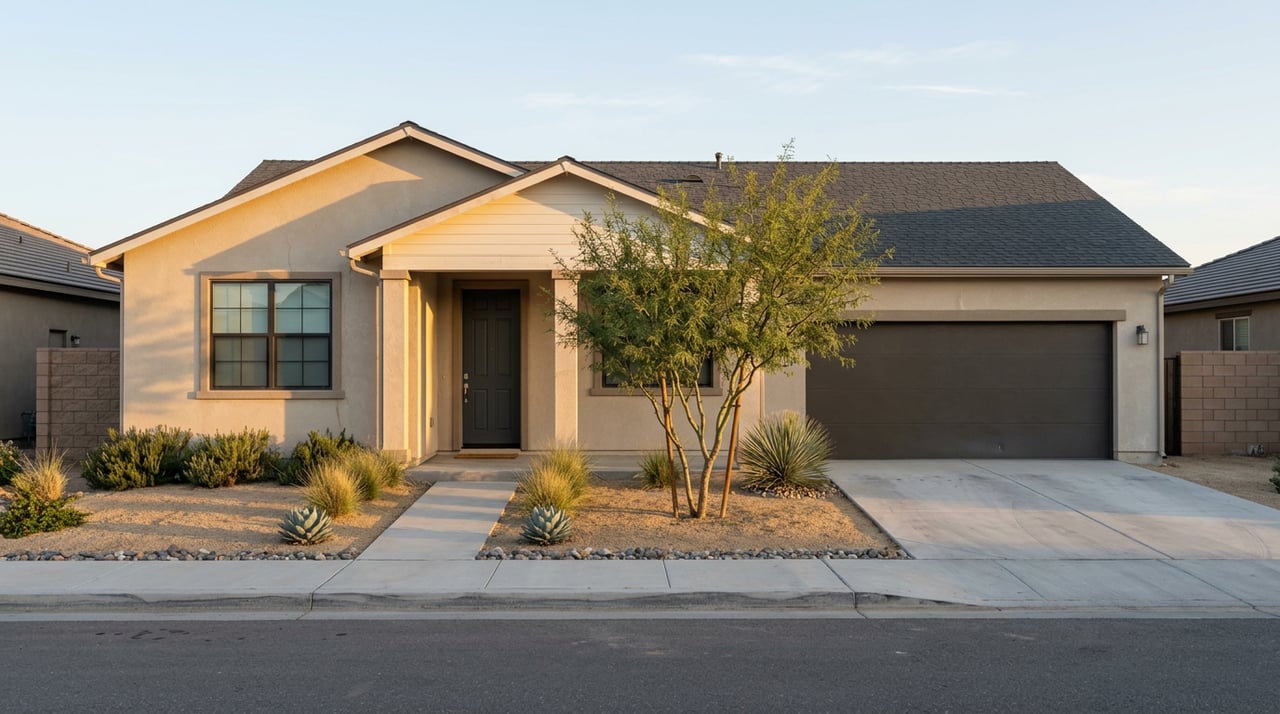
- Install low-water plantings with a simple layout and one reliable focal point.
- Add modest, energy-efficient lighting at the entry and along paths.
- Replace unhealthy lawn with decomposed granite, rock beds, or drought-tolerant groundcover.
A simple 6 to 8 week game plan
Use this flexible schedule for late winter or early spring listings.
- Week 0 to 1: Assess and plan
- Photograph the yard, list quick repairs, and request quotes from pros.
- Check with your water district and HOA for rebates, rules, and approvals.
- Week 1 to 2: Declutter and prep
- Remove failing turf and dead plants, prune, and clear debris.
- Mark utilities and finalize the hardscape layout.
- Week 2 to 3: Hardscape and irrigation
- Install decomposed granite, pathways, and focal boulders.
- Add drip irrigation and a smart controller, and set proper grading.
- Week 3 to 5: Planting
- Plant trees first, then shrubs and accents, and mulch appropriately.
- Week 5 to 6: Lighting and finishing
- Add low-voltage lighting, repaint the door, install house numbers, and stage containers.
- Ongoing: First-year care
- Monitor irrigation, spot water during heat, remove weeds, and prune lightly.
Realistic budgets for every yard
Local pricing varies, so get a few quotes. Here are helpful ranges for planning.
- Basic refresh — $500 to $2,000
- Powerwash, paint front door, new hardware and numbers, prune and mulch, one focal container, and simple solar path lights.
- Moderate upgrade — $2,500 to $8,000
- Remove a smaller turf area, add decomposed granite paths, install 20 to 40 plants, basic drip with a smart controller, one focal boulder or tree, and entry lighting.
- Premium transformation — $8,000 to $25,000+
- Full redesign with professional plans, pavers or retaining elements, specimen trees, expanded plant palette, full smart irrigation, and comprehensive lighting.
Maintenance made easy
A clean, steady routine keeps your curb appeal strong.
- Irrigation: Adjust the smart controller seasonally and check for clogged emitters.
- Mulch: Replenish organic mulch every 1 to 2 years and rake gravel as needed.
- Pruning: Shape shrubs once a year and remove spent blooms for a tidy look.
- Weeds: Pull early and consider spot treatments if allowed by your HOA.
- Cold check: Inspect for frost damage in late winter and replace plants if needed.
Before you start: verify and stay compliant
- Confirm plant choices match WUCOLS water-use guidance to support efficient irrigation and potential rebates.
- Check with your local water provider for current turf-removal and irrigation rebate programs. Many require pre-approval and inspections.
- Review HOA landscape rules before changing materials, fencing, or paint colors.
- Ask the city or county about permits for grading, retaining walls, curb cuts, or work near sidewalks.
- Follow CAL FIRE and county guidelines for defensible space when planting near your home.
Ready to boost your curb appeal?
You do not need a lawn to wow buyers in Hesperia. With the right plant palette, smart irrigation, and a few polished upgrades, your front yard can feel modern, welcoming, and easy to maintain. If you want a second set of eyes or a quick plan tailored to your home and timeline, connect with Kimberly Ybarra for a friendly, no-pressure conversation.
FAQs
What is xeriscaping for Hesperia homes?
- Xeriscaping is a low-water landscape approach that uses hydrozoning, drip irrigation, mulch, and drought-tolerant plants suited to Hesperia’s hot summers and occasional winter frost.
Which plants handle Hesperia heat and cold?
- Reliable picks include desert willow, palo verde, California lilac, rosemary, manzanita, Russian sage, salvia, lavender, deer grass, blue fescue, and frost-tolerant agave and cacti.
Do I need permits or HOA approval for front yard changes?
- Some hardscape, grading, or work near sidewalks needs permits, and many HOAs require approval for landscape materials or design changes, so check before starting.
How does drip irrigation help in the high desert?
- Drip delivers water directly to roots with less evaporation, and a smart controller can adjust schedules to local weather so you use only what plants need.
When should I tackle a curb appeal refresh in Hesperia?
- Late winter to early spring is best because new plants can establish roots before summer heat and you get seasonal blooms for spring showings.
Are there rebates for turf removal or smart controllers?
- Many California water providers offer rebates for turf removal and water-efficient irrigation, but programs change often, so verify current rules and steps with your provider.
How much should I budget for a front yard update?
- Plan roughly $500 to $2,000 for a basic refresh, $2,500 to $8,000 for a moderate upgrade, and $8,000 to $25,000+ for a full transformation, with local quotes essential.