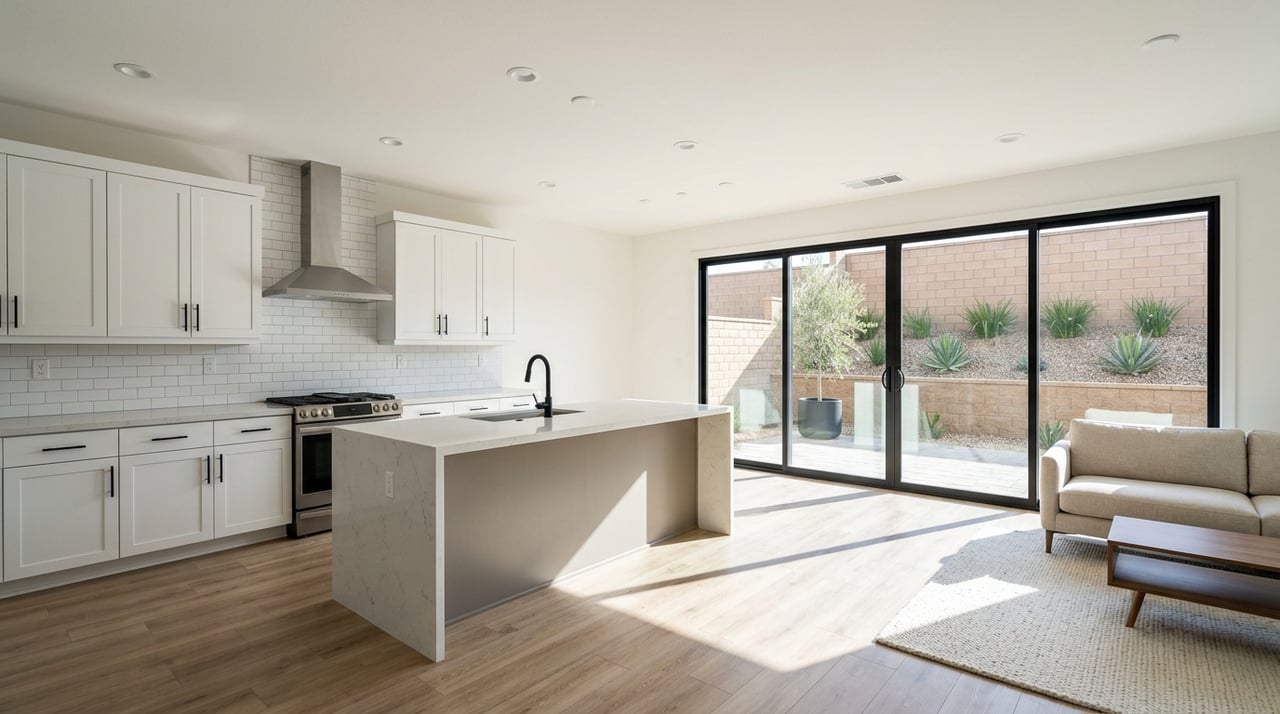
Planning A New-Construction Move Within Menifee
June 11, 2026
June 11, 2026
Wondering how to time a move from your current Menifee home into a brand-new one without creating chaos in the middle? You are not alone. If you are trying to sell, buy, and line up a builder timeline at the same time, the process can feel like a moving target. The good news is that with the right plan, you can make the steps feel far more manageable. Let’s walk through what a new-construction move within Menifee usually looks like and how to keep your sale and purchase in sync.
Menifee is a growing city in southwest Riverside County with a population of more than 100,000 residents, and the city’s housing planning reflects continued growth through the 2021 to 2029 cycle. That matters if you already own a home locally and are thinking about your next move. New construction here is not only for first-time buyers. It can also be a practical option if you want more space, a different layout, or a newer home with current features.
Builder activity in Menifee also gives you more than one path forward. Some communities offer quick move-in homes, while others offer build-to-order homes. That difference has a big impact on your timeline, your moving plan, and when you may want to list your current home.
Before you tour models or reserve a homesite, it helps to decide what kind of timeline you can realistically handle. A quick move-in home may already be finished or close to completion. A build-to-order home usually takes longer and can involve several months of construction.
Broad builder guidance shows that a new home often takes about 6 to 12 months to complete, while quick move-in inventory may be available now or within a shorter window. If you already own a home in Menifee, that timing difference can shape your whole strategy. You may need an overlap period, temporary housing, or a more flexible listing plan depending on the builder’s schedule.
Your first major milestone is usually mortgage pre-approval. This gives you a clear budget and helps you move quickly if you find the right homesite or inventory home. It also helps you understand how the sale of your current home may affect your purchase power.
If you are selling and buying at the same time, this is the moment to look at both sides of the move together. You want to know what your current home may contribute to your next purchase and how much timing flexibility you have.
Once you choose a home or homesite, the next steps are often reservation and signing the purchase agreement. In California new subdivisions, the Department of Real Estate requires the subdivider to provide a public report before you become obligated. That report covers important items such as CC&Rs, HOA assessments, common-area obligations, and other material disclosures.
This is one reason new-construction purchases can feel document-heavy at the beginning. You are not just picking a floor plan. You are also reviewing the community rules, fees, and property details that affect ownership.
California DRE guidance notes that buyers of new homes may be handling loan qualification, the sale of an existing home, inspections, and varying timelines all at once. That is why the early paperwork matters so much. It sets the foundation for everything that follows.
Common documents may include the public report, HOA and CC&R materials, financing disclosures, a preliminary title report, and later the Closing Disclosure. Staying organized early can save you stress later.
A quick move-in home can work well if you want a shorter wait and more certainty around your move date. Some homes may already be complete, while others are under construction with a near-term completion target. In Menifee, builder inventory pages show that quick move-in opportunities do exist.
This option can make it easier to plan your sale because the builder timeline is usually tighter. The trade-off is that your choices for finishes and upgrades may be more limited.
A build-to-order home usually gives you more room to personalize finishes and features. You may choose a homesite, floor plan, and design selections after you go under contract. That added flexibility can be appealing, especially if you are moving up and want a home that better fits your daily life.
The trade-off is time. Construction can move in stages and does not always feel linear from a buyer’s perspective. City approvals, inspections, and utility coordination can affect visible progress along the way.
After contract, many builders move buyers into the design-selection phase. Builder guidance shows that this often includes an appointment focused on choosing finishes and features from current offerings. This is where you may make decisions about cabinets, flooring, countertops, lighting, paint, and similar details.
This stage is exciting, but it is also where budgets can shift quickly. It helps to know in advance which upgrades matter most to you and which ones you can skip.
California’s current energy-code requirements can also affect your selections and total cost. The California Energy Commission states that newly constructed single-family homes generally require solar photovoltaic systems, with certain exceptions, and the 2025 Energy Code includes solar-ready and battery-energy-storage readiness requirements.
For you as a buyer, the key takeaway is practical. Ask the builder how energy-related features are included, priced, or packaged so you can plan your monthly costs and closing numbers more accurately.
Menifee’s Building & Safety Division processes plan checks and issues permits after required approvals are in place. The city also offers a Permit Portal for applications, fees, inspections, and progress tracking. Even though you are not the one pulling permits as the buyer, these local steps are part of the construction backdrop that can affect timing.
Menifee also limits construction hours near occupied residences to Monday through Saturday from 6:30 a.m. to 7:00 p.m., with Sunday and holiday work generally restricted without approval. That does not change your contract date, but it helps explain why progress can sometimes feel stop-and-start.
If a builder gives you an estimated completion window, think of it as a working timeline rather than a fixed promise. That mindset can help you build a more realistic moving plan.
For many Menifee homeowners, this is the hardest part. The real challenge is often not choosing the new home. It is syncing the sale of your current one with the completion of the next one.
Because some new homes are ready now and others may take 6 to 12 months, your sale plan needs to match the builder’s timeline. A strategy that works for a quick move-in home may not work for a build-to-order purchase.
If you are buying a quick move-in home, you may need to prepare your current home for sale sooner. That can mean pricing, marketing, and showing your home on a compressed timeline. In this scenario, clean coordination matters because the gap between contracts may be short.
This is also where you may want a backup plan in case your current home closes before the new one does. Even a short overlap can matter when movers, lender conditions, and final walkthrough dates all come into play.
If you are building from the ground up, you usually have more time before you need to list your home. That can give you room to make repairs, improve presentation, and watch builder milestones before going live. It may also help you avoid moving twice if you time the listing too early.
Still, waiting too long can create pressure if construction wraps faster than expected or your sale takes longer than planned. The goal is to create a buffer, not a last-minute scramble.
Builder guidance from Lennar says the new-home orientation and final walkthrough are usually scheduled about 30 days before closing. For a move-in-ready home, this may even be scheduled the same day the purchase agreement is signed.
This is your chance to verify the home’s condition, learn key systems, and confirm what will be completed before closing. Bring questions and take notes so you feel confident on move-in day.
Lenders generally require homeowner’s insurance before closing, so do not leave this step to the last minute. The California Department of Insurance advises consumers to shop and compare, and the CFPB notes that lenders typically require proof of homeowner’s insurance.
On the loan side, the Closing Disclosure must be delivered at least three business days before closing. By this stage, your goal is simple: keep documents moving, confirm your insurance is in place, and avoid delays that could affect your key date.
If you want a practical way to organize the process, use this sequence as your planning guide:
A new-construction move within Menifee is rarely just one transaction. For many homeowners, it is two major moves that need to be timed together. You are balancing builder deadlines, disclosures, insurance, financing, and the sale of your current home, often all at once.
That is where local, hands-on guidance can make a real difference. When your plan is tailored to your timeline, your budget, and your current property, the process feels much more manageable from reservation to keys.
If you are thinking about moving from your current home into a new-construction property in Menifee, Kimberly Ybarra can help you map out the timing, prepare your sale strategy, and navigate the process with clear, personalized support.
Stay up to date on the latest real estate trends.

Get assistance in determining current property value, crafting a competitive offer, writing and negotiating a contract, and much more. Contact me today.