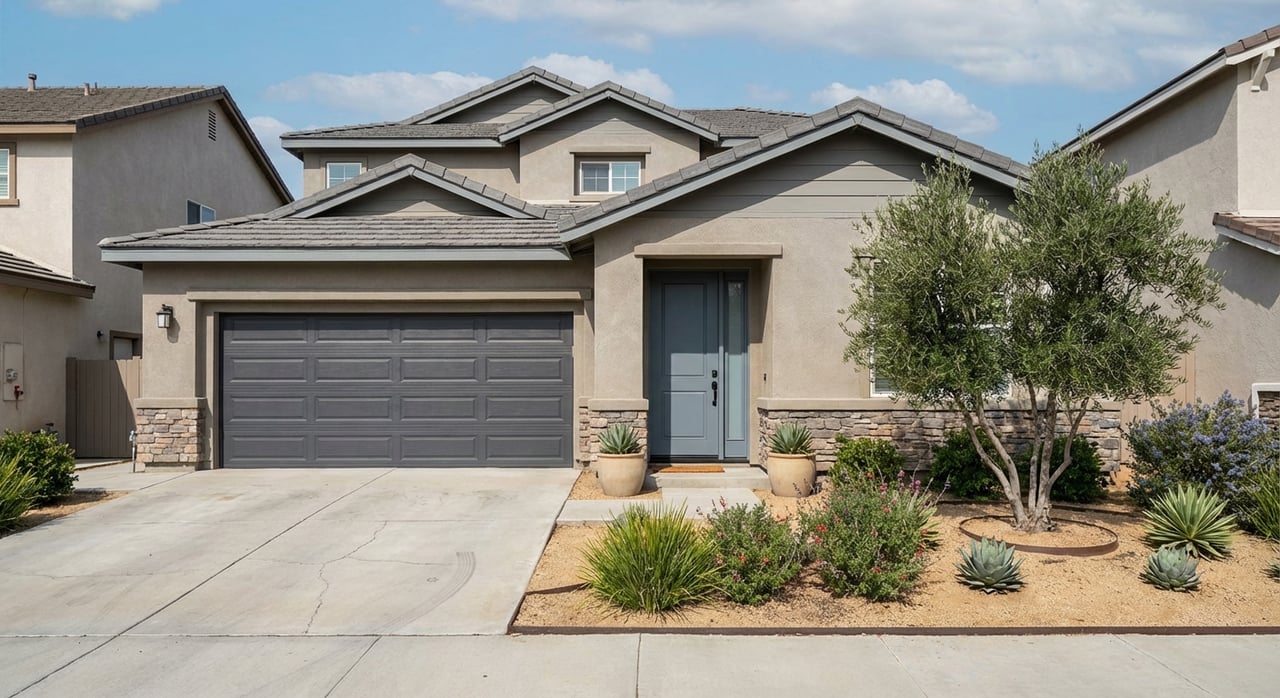
Your Step-By-Step Plan to Sell a Home in Orangecrest
February 19, 2026
February 19, 2026
Thinking about selling your Orangecrest home but not sure where to start? You are not alone. The market rewards smart prep, clear pricing, and strong marketing, especially in a neighborhood that attracts family-focused and commuter buyers. In this guide, you will get a simple, local step-by-step plan you can follow from pre-listing to close, plus timelines and practical tips to help you net more with less stress. Let’s dive in.
Orangecrest sits in the upper-middle price tier for Riverside. Recent neighborhood snapshots show a home-value index around $744,980 and a median sale price near $752,500 with a median price per square foot around $318. Homes have been taking multiple weeks to sell, with typical days on market landing between 58 and 69 days in late 2025. This means pricing well and presenting cleanly matter.
Expect most buyers to be school-oriented families, households connected to March Air Reserve Base, and commuters who value Riverside’s relative affordability compared with coastal counties. In your marketing, highlight practical features these buyers notice: bedroom count, flexible spaces, proximity to parks, and commute routes.
For timing, regional data in 2024–2025 pointed to rising inventory and a slower sales pace compared with the pandemic peak, so accurate pricing is key. Industry research often shows a small price lift in spring, especially around late May, though local results vary. Plan to confirm your exact list date with a fresh local CMA and up-to-the-week activity trends. You can review regional context in this Inland Empire update for additional perspective on market pace and supply changes (summer 2025 market overview).
A pre-listing home inspection gives you a clear punch list, reduces renegotiations, and signals transparency to buyers. Typical single-family inspections cost a few hundred dollars and take about 1 to 2 weeks from scheduling to final report. Use the report to decide which items to fix now and which to credit at closing. Learn why sellers use inspections to speed up escrow and reduce friction (seller inspection benefits).
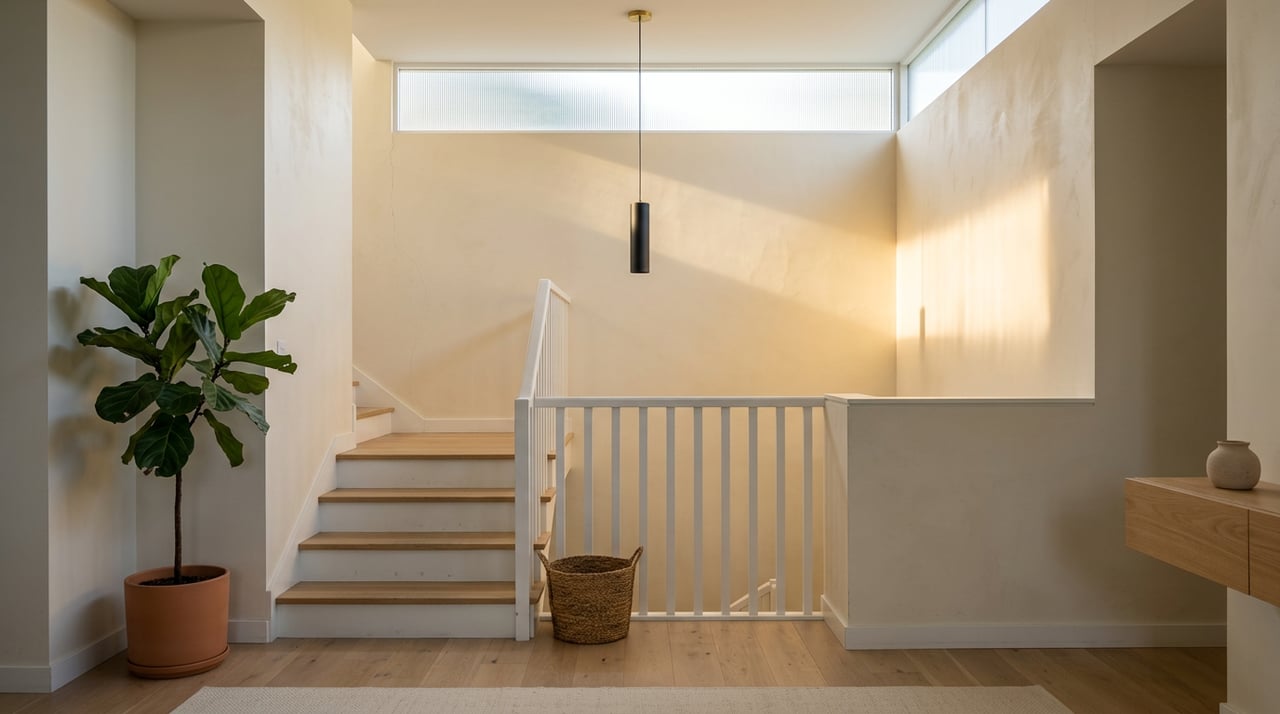
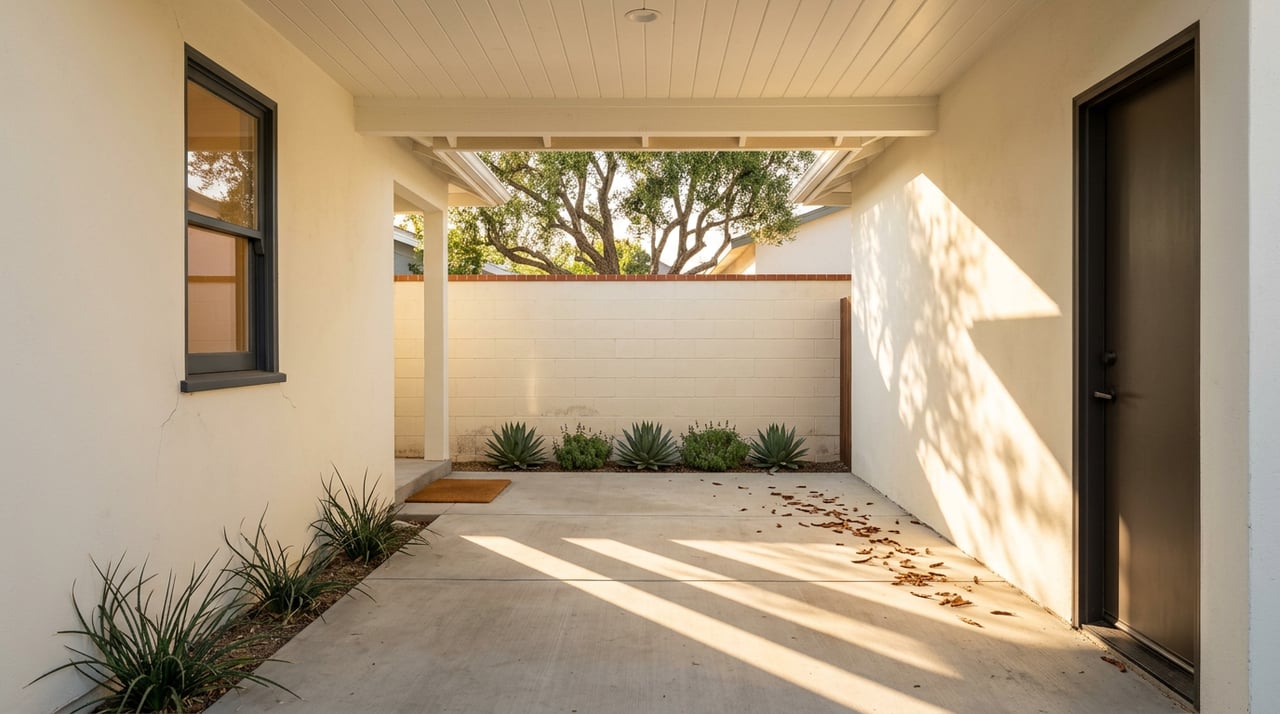
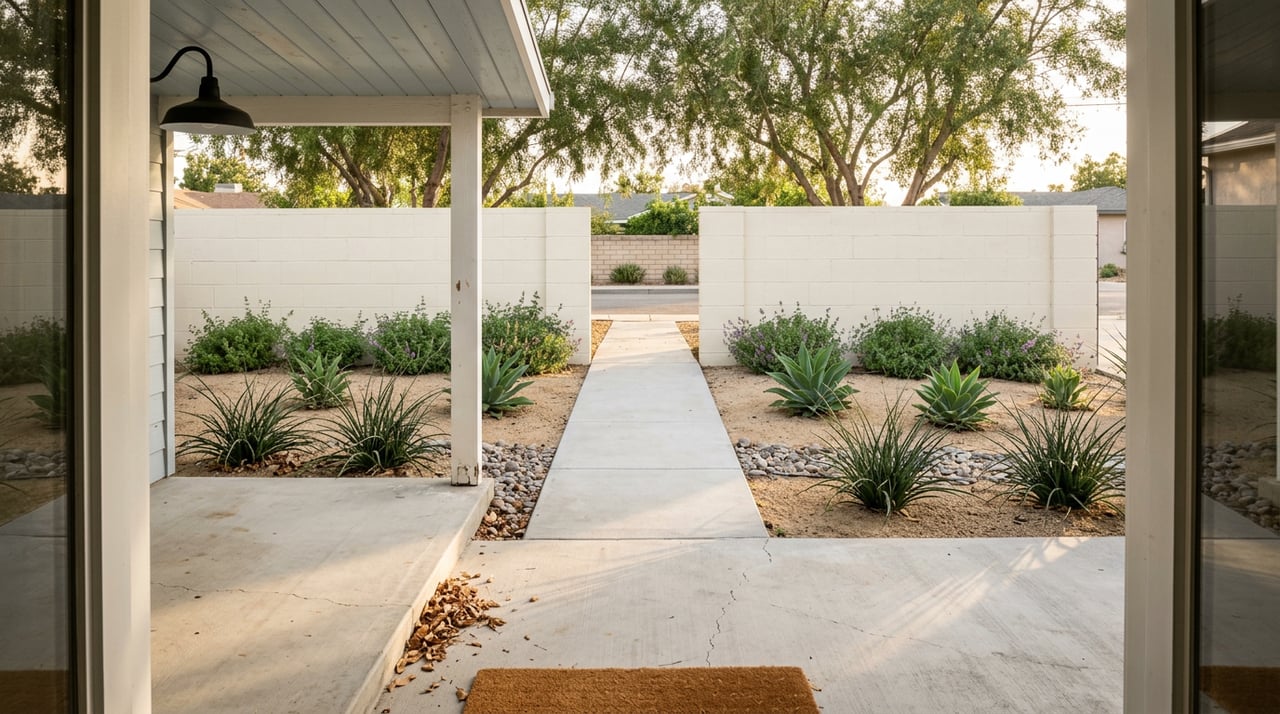
Small, targeted improvements are proven winners at resale. Focus on neutral interior paint, tidy landscaping, new or refreshed hardware and lighting, and minor kitchen touch-ups over full remodels. Curb appeal projects such as garage-door or front-door updates consistently rank high for ROI. Use local comps so you do not over-improve past Orangecrest standards (best-value home updates).
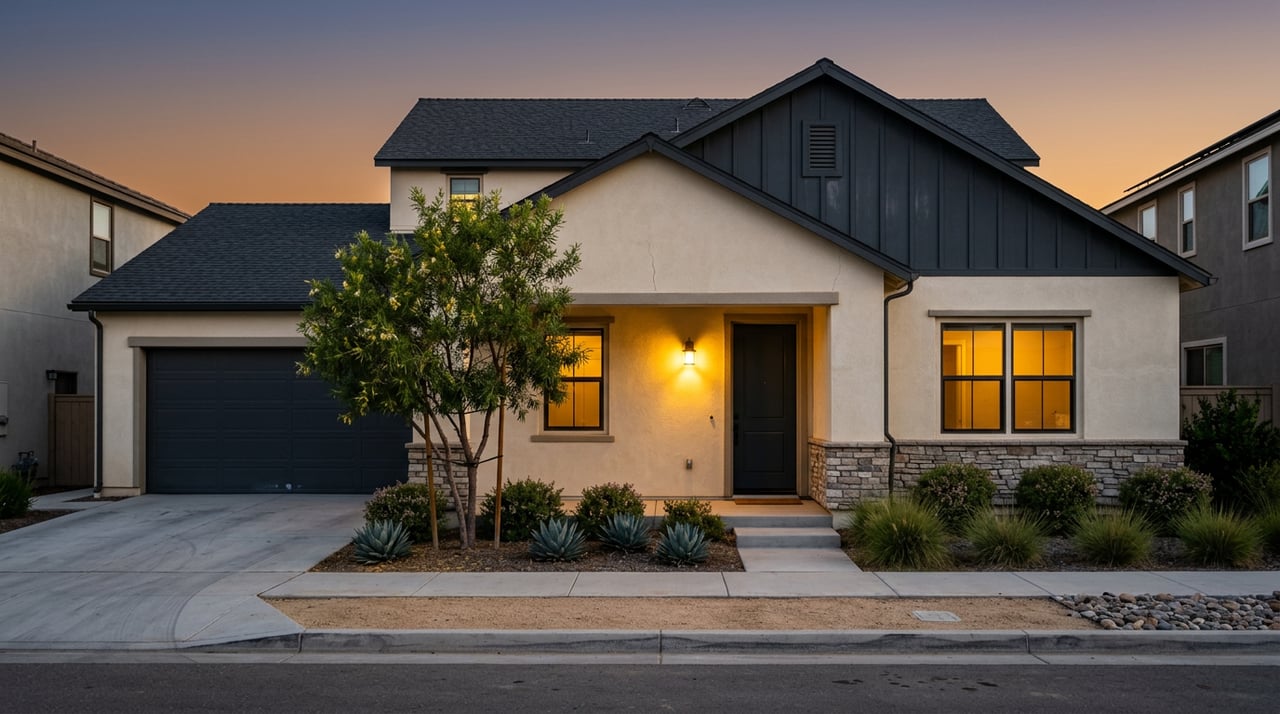
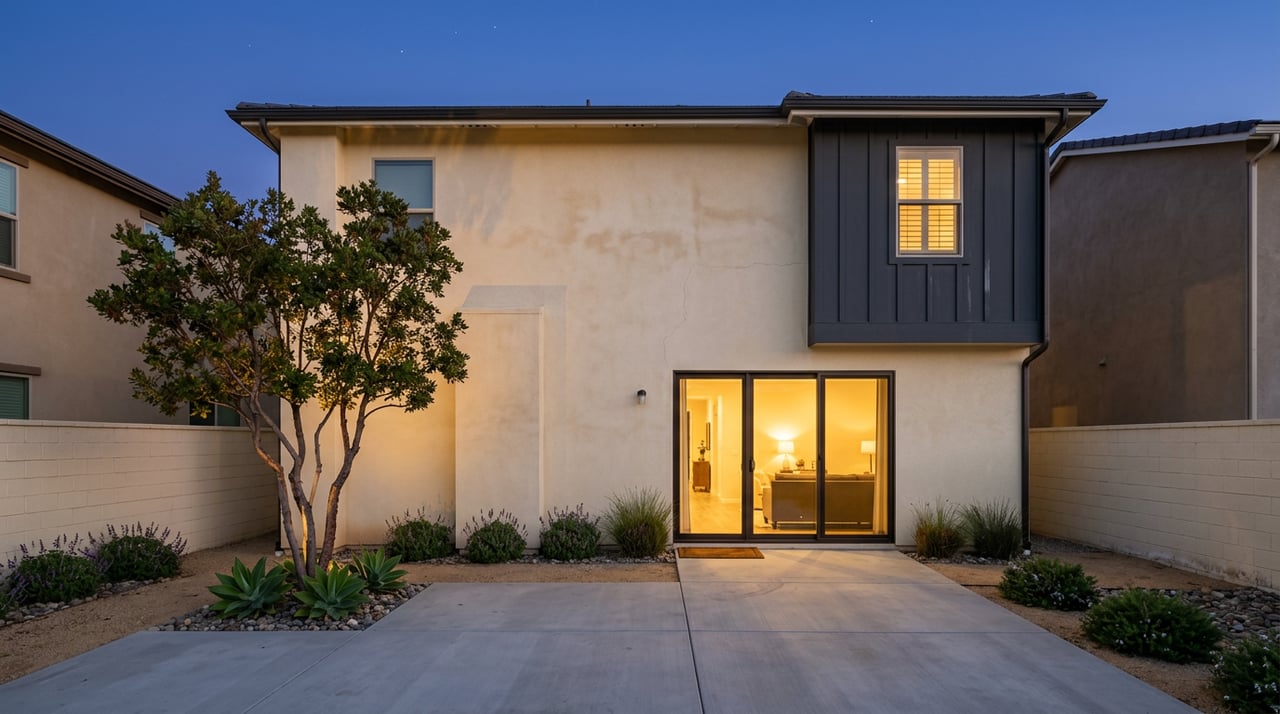
Quality visuals drive showings. Invest in professional photography, consider twilight exteriors, and use staging where it counts most: living room, kitchen, and primary bedroom. For vacant homes, virtual staging is a budget-friendly option. Industry summaries show that strong presentation increases engagement and can trim time on market (why presentation matters).
Start with a detailed CMA focused on recent Orangecrest closings, pending sales, and active competition. Track price per square foot, list-to-sale ratios, and days on market. Public neighborhood snapshots can give you a baseline, but an agent’s MLS data will be most precise for your address.
If demand is strong and inventory is thin, setting the list price at or slightly below the best comps can spark early interest. In a slower market, pricing close to expected appraised value helps you avoid extended market time and reduces the risk of appraisal delays. If you anticipate offers above comps, discuss appraisal-gap options and the risks with your agent. In some cases, buyers may offer limited appraisal-gap coverage, but someone must be ready to cover any shortfall (appraisal-gap considerations).
Before you go live, secure these items:
List on the MLS, syndicate widely, and share early with local agent networks. Use short, targeted social advertising in week one and host open houses if the home and schedule allow. Monitor showing feedback closely. If traffic is soft, be ready to adjust price or marketing quickly based on real-time data and your CMA.
When offers arrive, compare more than just price. Review:
In many California transactions, the standard Residential Purchase Agreement uses a 17-day window for inspection and loan contingencies unless negotiated otherwise. Financed escrows commonly run about 30 to 45 days. Track all contingency dates and request written removals by each deadline to keep the deal on track (California RPA timing primer).
Expect to see items like a negotiated real estate commission, owner’s title policy, escrow and recording fees, prorated property taxes, any HOA transfer/resale fees, and agreed repair credits. Commissions remain negotiable. Non-commission seller costs often land under 1 to 2 percent of the sale price, but ask your escrow officer for a precise net sheet (California seller cost overview).
Riverside County documentary transfer tax is calculated in set increments, with any additional city charges applied based on local rules. Your exact figure depends on the parcel and city practice, so confirm with your title and escrow team (documentary transfer tax context).
Many newer Orangecrest homes are in Community Facilities Districts (CFDs) with Mello-Roos assessments. These appear on your tax bill and must be disclosed. Review your current secured tax bill and preliminary title report early so buyers and lenders have clear numbers (what Mello-Roos means in Orangecrest).
California requires a full and truthful Transfer Disclosure Statement for most 1–4 unit sales. You also need to provide a Natural Hazard Disclosure. Homes built before 1978 require a federal lead-based paint disclosure. Water-heater bracing, smoke detector, and carbon-monoxide detector compliance are standard safety items. If you ordered inspections, share the reports and receipts for completed work. Transparency helps prevent surprises and keeps buyers confident.
Use this simple roadmap to plan your sale. Adjust the timing if your home needs more work.
Ready to see what your home could sell for and build a tailored plan? Schedule your free consultation with Kimberly Ybarra for a local, concierge-level selling experience.
Stay up to date on the latest real estate trends.
Get assistance in determining current property value, crafting a competitive offer, writing and negotiating a contract, and much more. Contact me today.