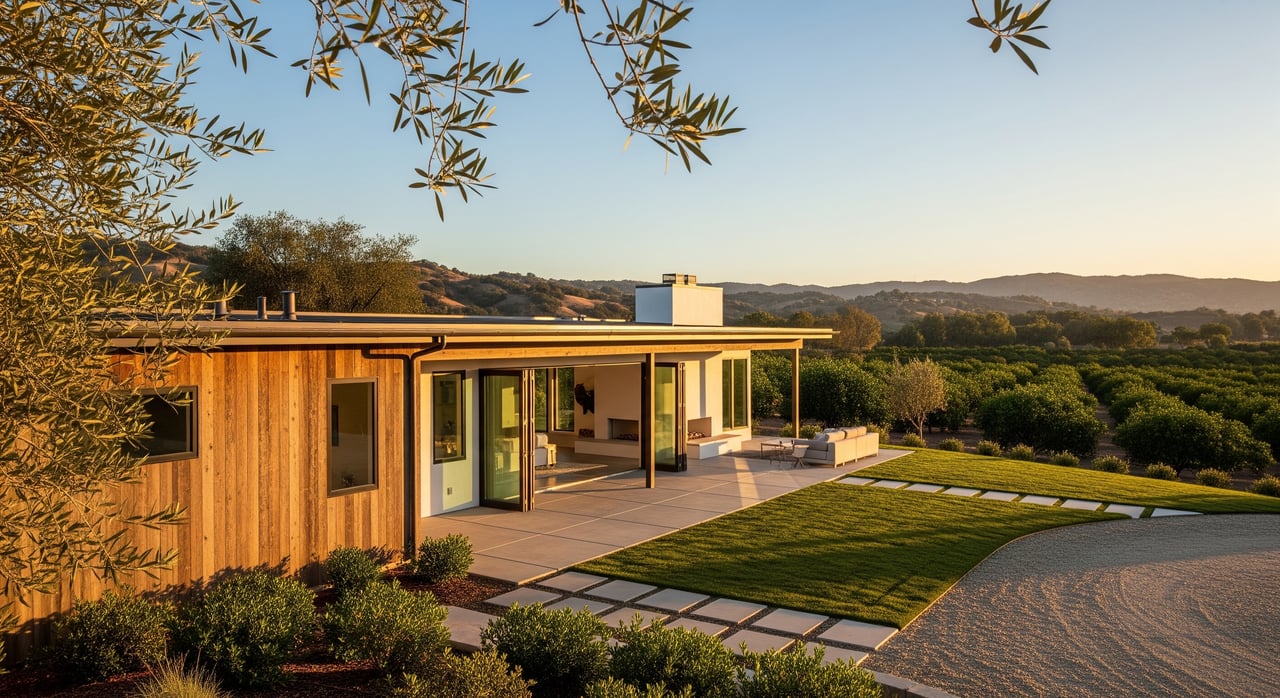
Why Woodcrest Appeals To Space-Seeking Buyers
February 5, 2026
February 5, 2026
Do you picture mornings with open views, room for a workshop or pool, and maybe a couple of horses in the backyard? If you want space without feeling far from daily conveniences, Woodcrest may be a great fit. You get larger lots and a quieter, semi‑rural vibe while staying close to Riverside jobs, schools, and services. In this guide, you will learn what living in Woodcrest looks like, the kinds of properties you will find, and what to check before you buy so you can move forward with confidence. Let’s dive in.
Woodcrest is an unincorporated community in the Riverside area known for its semi‑rural character and foothill setting. Many properties sit on larger lots compared with denser Riverside neighborhoods, often starting around a quarter acre and going up to multiple acres. That extra land can support RV parking, detached garages or shops, pools, and generous outdoor spaces.
If you are interested in an equestrian lifestyle, you will find parcels where horses and other livestock may be allowed, along with a local riding culture. On these properties, private arenas, corrals, and barns are common. Rules vary by parcel and zoning, so always confirm what is permitted for a specific address.
You also get a low-rise environment, wider skies, and nights that feel quieter than busy urban cores. Many older or more rural lots have fewer or no HOAs, which can give you more flexibility for how you use your property. And when you want to get outdoors, nearby foothills and open-space areas make trail time easy to reach.
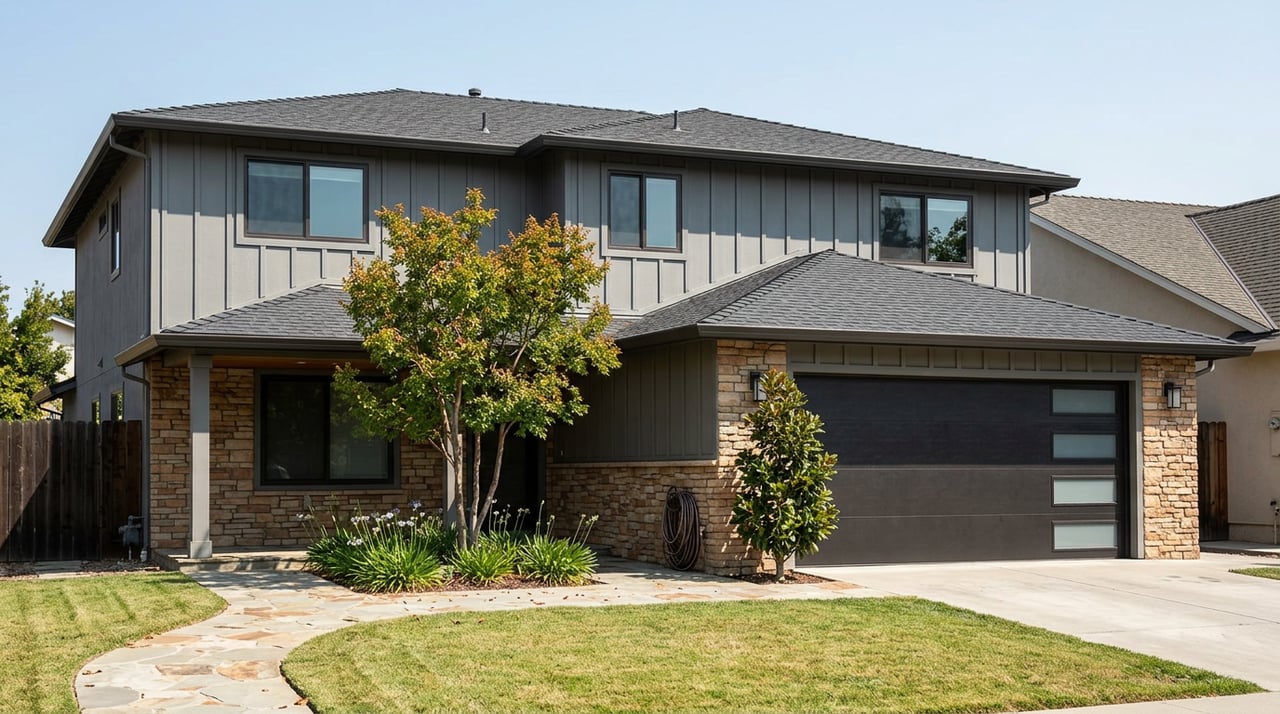
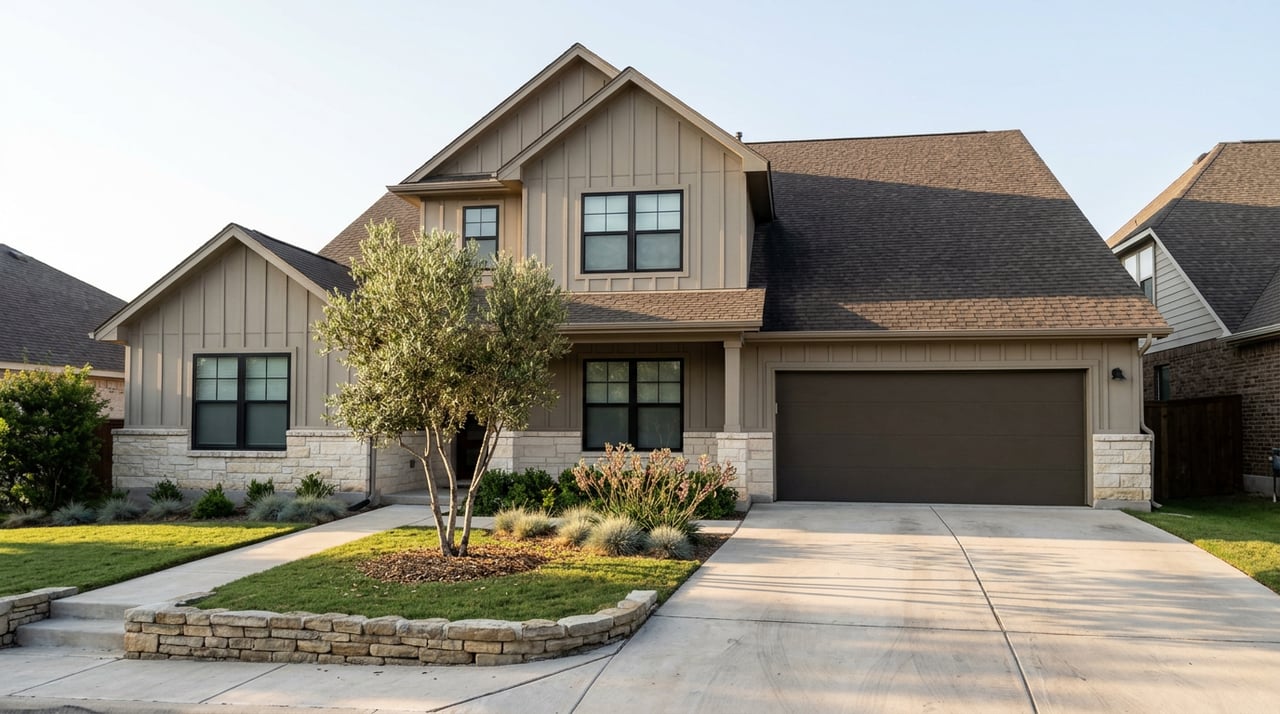
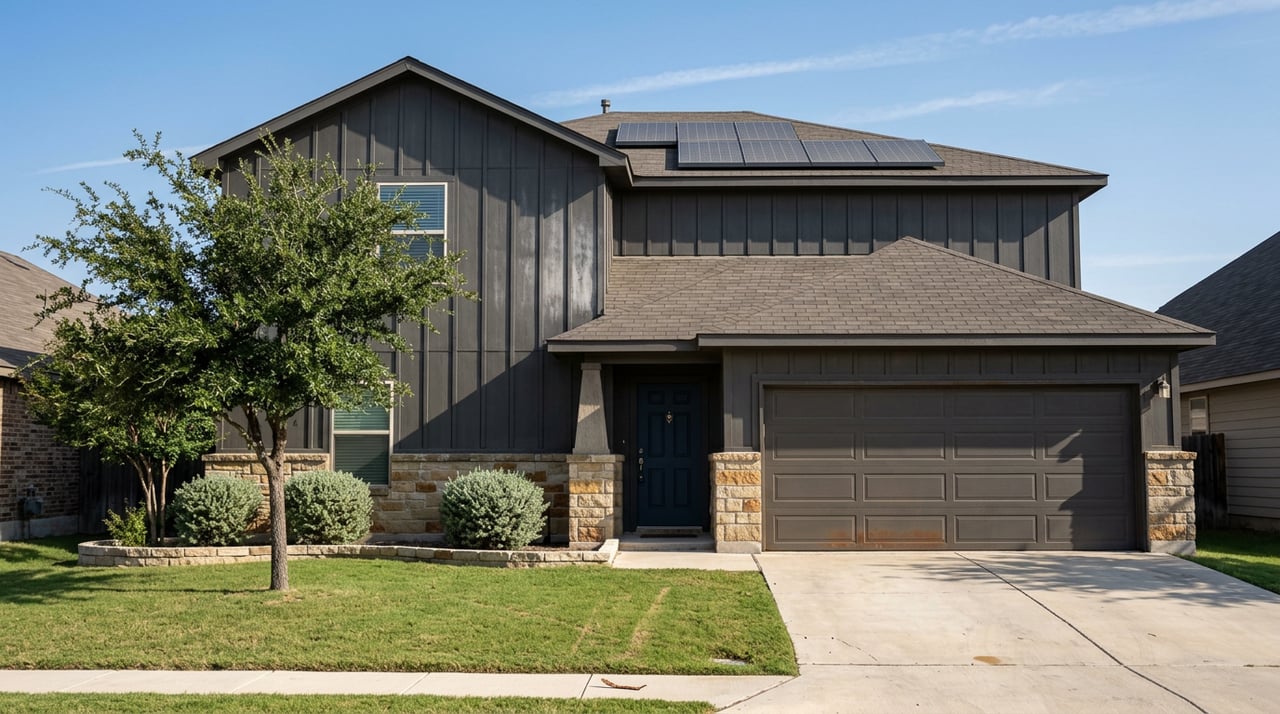
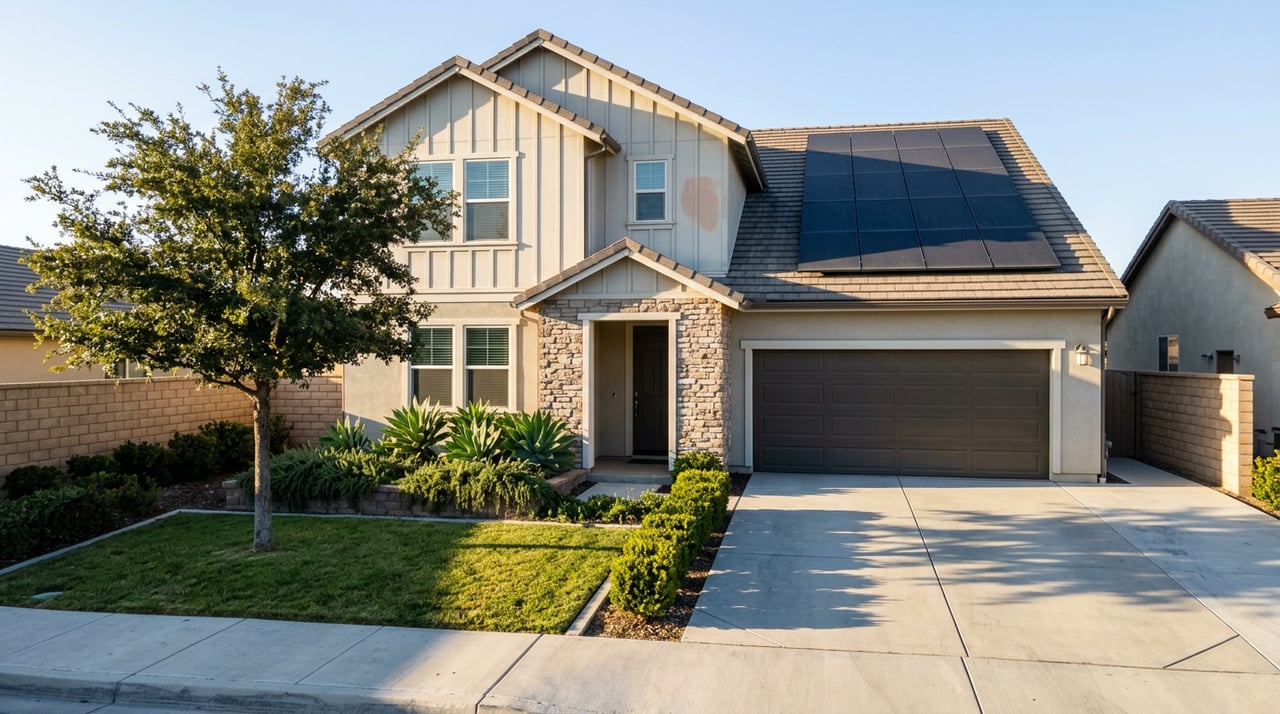
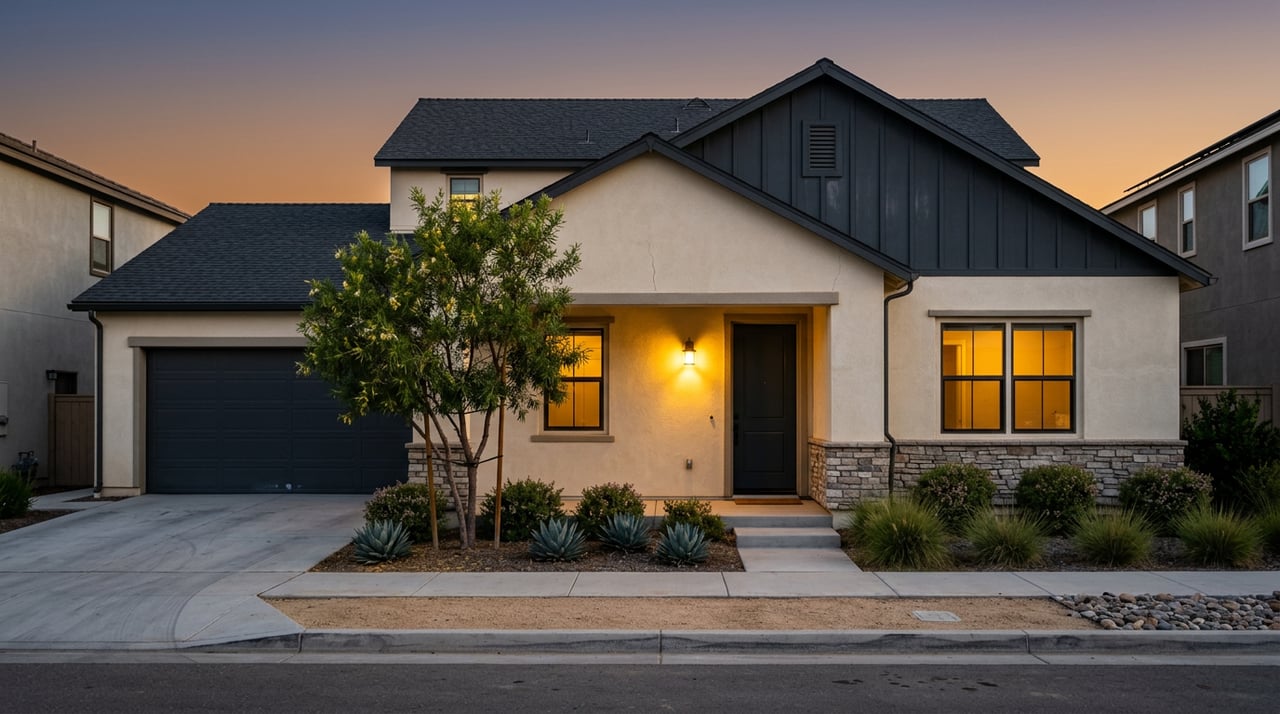
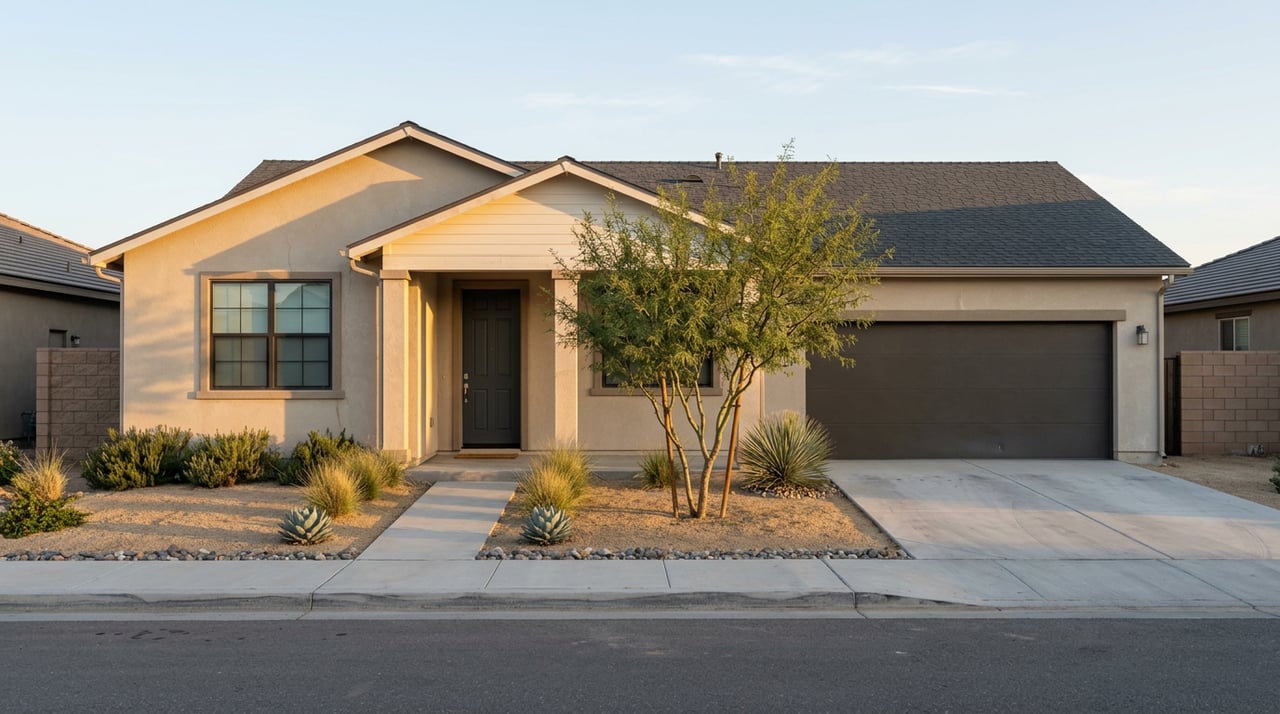
Woodcrest offers a mix of single-story and two-story ranch homes, Spanish or Mediterranean-inspired styles, and custom builds on larger parcels. Some older homes have been updated inside while keeping the practical, spread-out layouts that define the area. You will also see properties with detached accessory structures like shops, barns, and extra garages, and many lots have room to add them if allowed by code.
Here are a few common profiles you might see as you browse:
Keep in mind that lot size alone does not determine what you can build or keep on site. Zoning, setbacks, animal ordinances, and building codes control uses and structures, and some parcels are on septic or have different utility setups than typical suburban tracts. Always review county guidelines and permit history for the address you are considering.
Daily conveniences are within short drives to Riverside and nearby corridors. You can reach grocery stores, pharmacies, healthcare, and retail without going far. For those with horses or hobby agriculture, you will find local service businesses such as feed and tack shops in the broader area.
School options reflect the wider Riverside ecosystem. Different public school districts serve different pockets, and boundaries can be nonintuitive. The best approach is to verify the assigned schools for a specific address using district boundary lookup tools, then review third-party resources for ratings and parent reviews. Riverside is also home to higher education and vocational options, including community colleges and the University of California, Riverside.
Outdoor time is easy to enjoy with foothill views, nearby open-space preserves, and regional trail networks. The setting supports hiking, riding, and laid-back evenings in your own yard.
Most residents rely on personal vehicles. Major routes in the Riverside metro include I‑215 for north-south connections, CA‑60 for east-west travel, and CA‑91 toward Orange County. Depending on your exact location and traffic, a drive to downtown Riverside or UC Riverside can often fall somewhere in the roughly 15 to 40 minute range. Drives to nearby employment centers like Corona will vary with peak congestion, so it helps to run a sample route from the property to your workplace at your typical commute time.
Public transit is more limited than in dense urban cores. The Riverside Transit Agency and Metrolink provide regional connections, but most daily routines will feel car-first. If you plan to commute regularly across counties, test drive the route at commute hours to set realistic expectations.
Zoning and permitted animals. Some parcels carry residential or estate-style zoning that allows a limited number of horses or other livestock. Others are standard residential. Animal limits, location of barns or corrals, and waste management are governed by county rules and lot size thresholds. Confirm all details with the county for a specific parcel.
Utilities and infrastructure. Service types can vary from one property to the next. Some homes connect to municipal water and sewer, while others rely on a well and septic system. Internet speeds and providers can also differ in semi‑rural areas. Ask for utility service maps, recent bills, and maintenance records, and factor potential upgrades into your budget.
Hazards and insurance. Portions of the Inland Empire’s foothills can carry elevated wildfire risk. Buyers should review the county’s fire guidance and CAL FIRE’s Fire Hazard Severity Zone information, follow defensible-space practices, and compare homeowner and wildfire insurance quotes early. Slope, erosion, and floodplain status also matter for hillside and drainage‑adjacent parcels, so check FEMA flood maps and consider professional inspections where appropriate.
Roads and HOAs. Many Woodcrest properties do not have HOAs, especially on older rural lots. Some private roads require shared maintenance agreements. If an HOA or road agreement exists, review the documents before you make decisions.
Use this quick checklist to make your due diligence organized and address specific conditions that come with larger lots:
If you want more elbow room than a typical suburban tract, Woodcrest delivers. Larger parcels give you options for RV parking, hobby agriculture, equestrian facilities, or just a big backyard for gatherings. You get a quieter, semi‑rural environment with practical access to Riverside for work, school, and daily needs.
The tradeoff is a car-first lifestyle and a bit more hands-on property management. Utilities can vary by address, and zoning rules matter if you plan to keep animals or add structures. If that sounds like a fair exchange for space, privacy, and flexibility, Woodcrest deserves a close look.
Curious how your wish list matches up with available properties? Let a local guide help you sort the details, from zoning questions to utility checks, before you book showings. Reach out to Kimberly Ybarra for a friendly, data-informed consult tailored to your goals.
Stay up to date on the latest real estate trends.
Get assistance in determining current property value, crafting a competitive offer, writing and negotiating a contract, and much more. Contact me today.